
Home renovations
Home renovations across Adelaide, from character villas to modern homes
Home renovations in Adelaide often start with a house that has good bones and a layout from another era: a bluestone villa with a cramped lean-to kitchen, a bungalow divided into small rooms, or a 1970s brick veneer home that turns its back on the garden. We rework these houses to suit how you live now.
- Builder's Licence BLD 45463
- 45 years of building experience
- Insured & warranty-backed
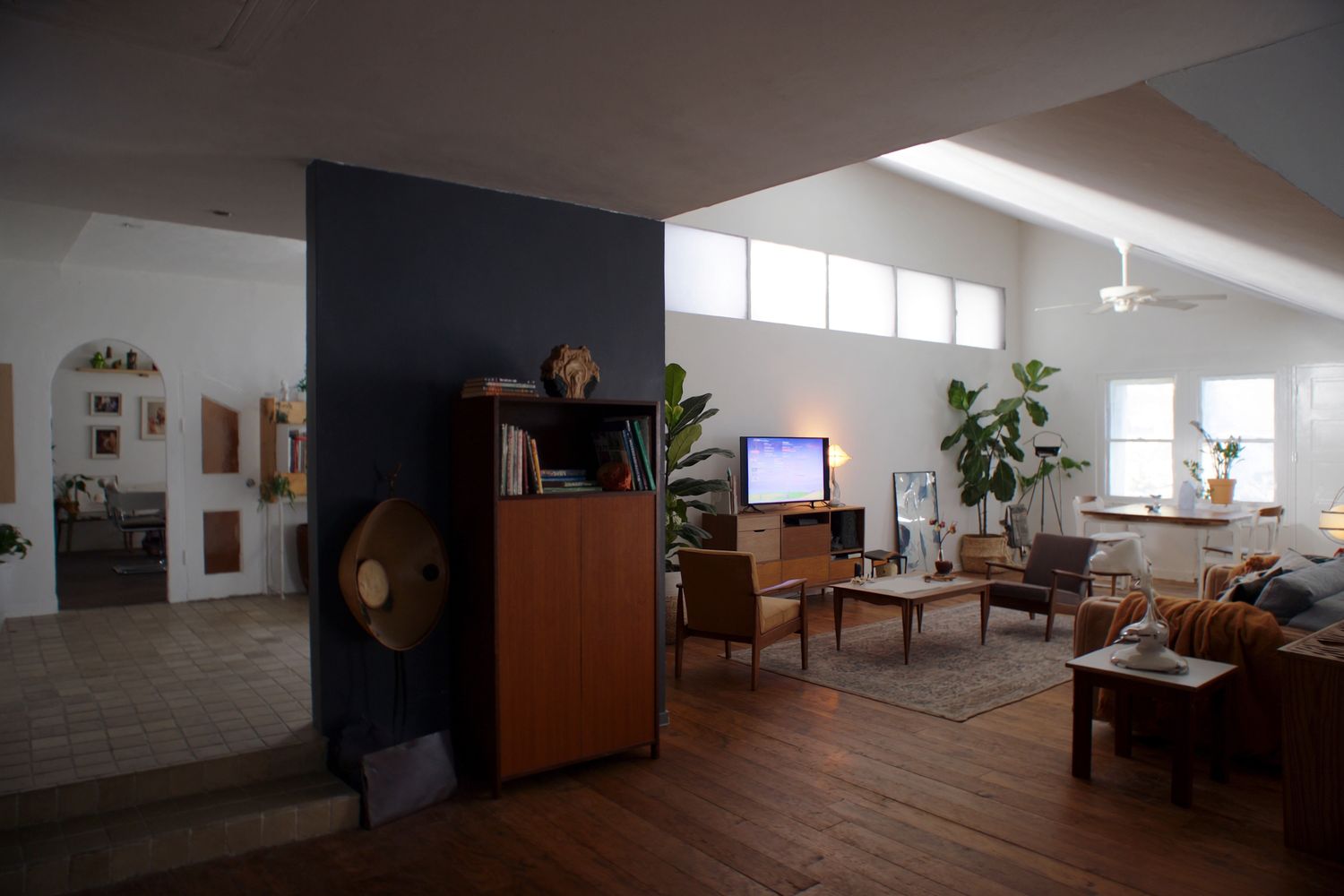 Design concept
Bright Building & Renovations takes on whole-home and character home renovations across metropolitan Adelaide, the Adelaide Hills and the Fleurieu Peninsula through to Victor Harbor. We're a licensed builder (BLD 45463) with 45 years of building experience. We coordinate the licensed trades, and you talk directly with a director throughout.
What's included
Every scope is confirmed in your written quote. Depending on your project, it can include:
- Removing or relocating walls, with structural changes built to an engineer's design
- Opening up kitchen, dining and living areas
- Bathrooms, kitchens and laundries within the whole-home job
- Restored timber floorboards or new flooring
- Plasterboard, cornices, skirtings and architraves to suit the house
- Replacement windows and external doors
- Re-wiring, lighting and switchboard upgrades by licensed electricians
- Re-plumbing, drainage and gas by licensed plumbers and gas fitters
- Insulation while walls and ceilings are open
- Stone, brick and render repairs once the cause of salt damp or cracking is known
What can home renovations in Adelaide include?
Quick answer
A home renovation can range from reworking a few rooms to reconfiguring the whole house. Typical work includes moving or removing walls, opening up living areas, new kitchens, bathrooms and laundries, flooring, wall and ceiling linings, windows and doors, lighting, and re-wiring or re-plumbing by licensed electricians and plumbers.
The difference from a single-room job is coordination. When a kitchen moves, the plumbing, drainage and power move with it; when a wall comes out, floors, ceilings and cornices on both sides need making good. Planning the whole house at once helps avoid redoing work later.
What does renovating each type of Adelaide home involve?
Quick answer
Adelaide's housing ranges from 19th-century sandstone and bluestone villas to post-war double brick and 1960s–80s brick veneer. Each era is built differently, so the work involved changes: solid stone walls, timber floors on stumps, masonry internal walls and older materials all shape what's practical and what it costs.
Sandstone and bluestone villas and cottages
A villa renovation in Adelaide usually keeps the front rooms, with their high ceilings, cornices and fireplaces, and reworks the rear lean-to that often holds the kitchen, bathroom and laundry. Stone walls generally need compatible lime-based mortars and renders, not hard cement.
1920s and 1930s bungalows
Bungalows often have deep verandahs, timber floors, picture rails and leadlight windows worth keeping. Renovations often open the back of the house to the garden and rework enclosed sleep-outs, which may be lined in fibro and need checking for asbestos.
Art Deco and inter-war homes
Inter-war homes are often solid brick with curved or stepped details. Many internal walls are masonry and load-bearing, so opening up the layout usually needs an engineer's design for new beams, and new openings need careful detailing.
Post-war double brick and 1960s–80s brick veneer
Double brick homes typically have masonry internal walls, so layout changes are usually structural work. Brick veneer homes usually have timber-framed internal walls, which makes reconfiguring simpler, though some still carry roof loads. Both commonly need new wet areas, a better connection to the garden and upgraded services.
What should be checked before renovating an older Adelaide home?
Quick answer
Before the linings come off, an older home should be checked for salt damp, materials that may contain asbestos, and cracking linked to reactive clay soils. Each can change the scope, order of work and cost, so finding them early makes the renovation easier to plan and price.
Salt damp
Salt damp — rising damp that carries salts into masonry — is common in older Adelaide stone and brick homes, especially where the original damp-proof course has failed or been bridged by paths, garden beds or render. The right treatment depends on the cause, and work on heritage-listed places may need approval.
Asbestos
If your home was built or renovated before 1990, it is likely to contain asbestos — for example in fibro wall or eave sheeting, older wet-area linings, vinyl floor tiles and their backing, or some roofing and fencing. Asbestos has been banned in Australia since 31 December 2003. Suspect materials should be checked before any demolition, and where the law requires a licensed removalist (any friable asbestos, or more than 10 m² of non-friable asbestos), removal must be done by a SafeWork SA–licensed asbestos removalist.
Cracking and reactive clay
Many Adelaide suburbs sit on reactive clay soils that shrink and swell with moisture, which affects footings and can cause cracking. Some cracks are minor and seasonal; where cracking looks significant, an engineer's assessment before you renovate can show whether repairs are needed.
How is a whole-home renovation staged?
Quick answer
A whole-home renovation is usually staged so the messiest work happens together and the house stays as usable as possible. Demolition, structural work and services generally come first, then linings, wet areas, the kitchen, flooring and finishes. Whether you can stay at home depends on the scope and stage.
In a villa, the front rooms can often stay liveable behind temporary walls and dust screens while the rear is rebuilt. We plan the stages with you before work starts, including when power and water will be off and which rooms you can use.
Should you renovate or extend your home?
Quick answer
Renovate when the house is big enough but the layout doesn't work; extend when you need more floor area. Many Adelaide projects do both, reworking the original rooms and adding living space at the rear. The right choice depends on your block, any overlays, your budget and how you use the house.
A formal lounge used twice a year or a dark sleep-out can often become a kitchen, bathroom or family room without extending. If you do need more space, our home extensions service can be planned alongside the renovation as one project.
Does a house renovation in Adelaide need approval?
Quick answer
Some do and some don't. Whether your project needs development approval (planning consent, building consent or both) depends on the work and the zone and overlays that apply to your property. You can check them in the SA Property and Planning Atlas (SAPPA) or on PlanSA.
In a Historic Area or Character Area Overlay under the Planning and Design Code, demolition and changes visible from the street may need planning consent, and heritage-listed places may need further approval. We don't prepare plans or lodge applications; your designer or draftsperson usually handles that, and we build to the approved plans.
In South Australia, a licensed builder must take out building indemnity insurance before starting domestic building work that needs development approval and is valued at $20,000 or more (the threshold rose from $12,000 on 10 November 2025). It protects you if the builder dies, disappears or becomes insolvent and can't finish the work or fix defects. Ask for a copy of the certificate of insurance before work starts, and check current requirements with Consumer and Business Services (CBS).
How does Bright manage a home renovation?
Quick answer
Bright is your single point of contact for the building work. We coordinate the licensed trades, sequence the work and keep you informed, and you talk directly with a director from the first conversation to handover. Darko, our Director & Supervisor, oversees the work on site, so questions go to someone who knows your job.
As renovation builders working on Adelaide's older homes, we expect surprises. When something unexpected turns up behind a wall or under a floor, we explain the options and any effect on cost before going further.
How your renovation project runs
Talk to a director
Call Has or Darko, or send an enquiry, and tell us about your house and what you'd like to change.
Site visit
We assess how the house is built, its condition and services, and look for signs of salt damp, cracking and materials that may contain asbestos.
Plans and approvals
Your designer and engineer prepare plans and any approval documents, with practical building input from us.
Quote and contract
You receive a detailed written quote for the agreed scope, then a written contract, with indemnity insurance in place where required.
Staged construction
We coordinate the licensed trades in stages planned around your household, with Darko supervising on site.
Handover
We walk through the finished work with you, complete any final items and hand over the relevant documents.
South Australian considerations for home renovations
A few South Australian rules and site conditions are worth knowing before you renovate.
Statutory warranties
Domestic building work contracts in South Australia carry statutory warranties under section 32 of the Building Work Contractors Act 1995 — that the work will be done with proper workmanship, using good and proper materials, in line with the law, and with reasonable diligence.
Checking a builder's licence
You can check any South Australian builder's licence, including ours, on the Consumer and Business Services (CBS) 'Find a licence holder' register. Ours is BLD 45463.
Bushfire overlays in the Hills
Properties in a Hazards (Bushfire) overlay may need a Bushfire Attack Level (BAL) assessment, and new homes and many additions in bushfire-prone areas must be built to the BAL set under AS 3959.
Coastal homes on the Fleurieu
Coastal sites may need higher corrosion protection for metal fixings, ties and framing, and some have higher wind classifications.
What affects the cost of a home renovation in Adelaide?
Quick answer
The cost of a home renovation depends mainly on the scope, how much structural work is involved, the condition of the existing house and the finishes you choose. Older homes add variables such as salt damp, asbestos and outdated services, so it's easier to discuss cost once we've seen the house.
In older homes, allow a contingency for what's found once the linings and floors come up. The main cost factors are:
- The number of rooms, and whether the kitchen and wet areas are included
- Structural changes, such as removing load-bearing walls
- The condition of walls, floor framing and the roof
- Re-wiring, re-plumbing, drainage, gas and hot water
- Asbestos checks and licensed removal where required
- Plans, engineering, approvals and any overlay requirements
- Finishes: flooring, joinery, tiles, tapware, windows and doors
- Site access, staging around occupants, and bushfire or coastal requirements
Every project is quoted on its scope. Tell us what you're planning and we'll talk you through it.
Start your renovation quoteDesign ideas
Representative design concepts to help you picture layouts and finishes. They aren't photos of completed Bright projects.
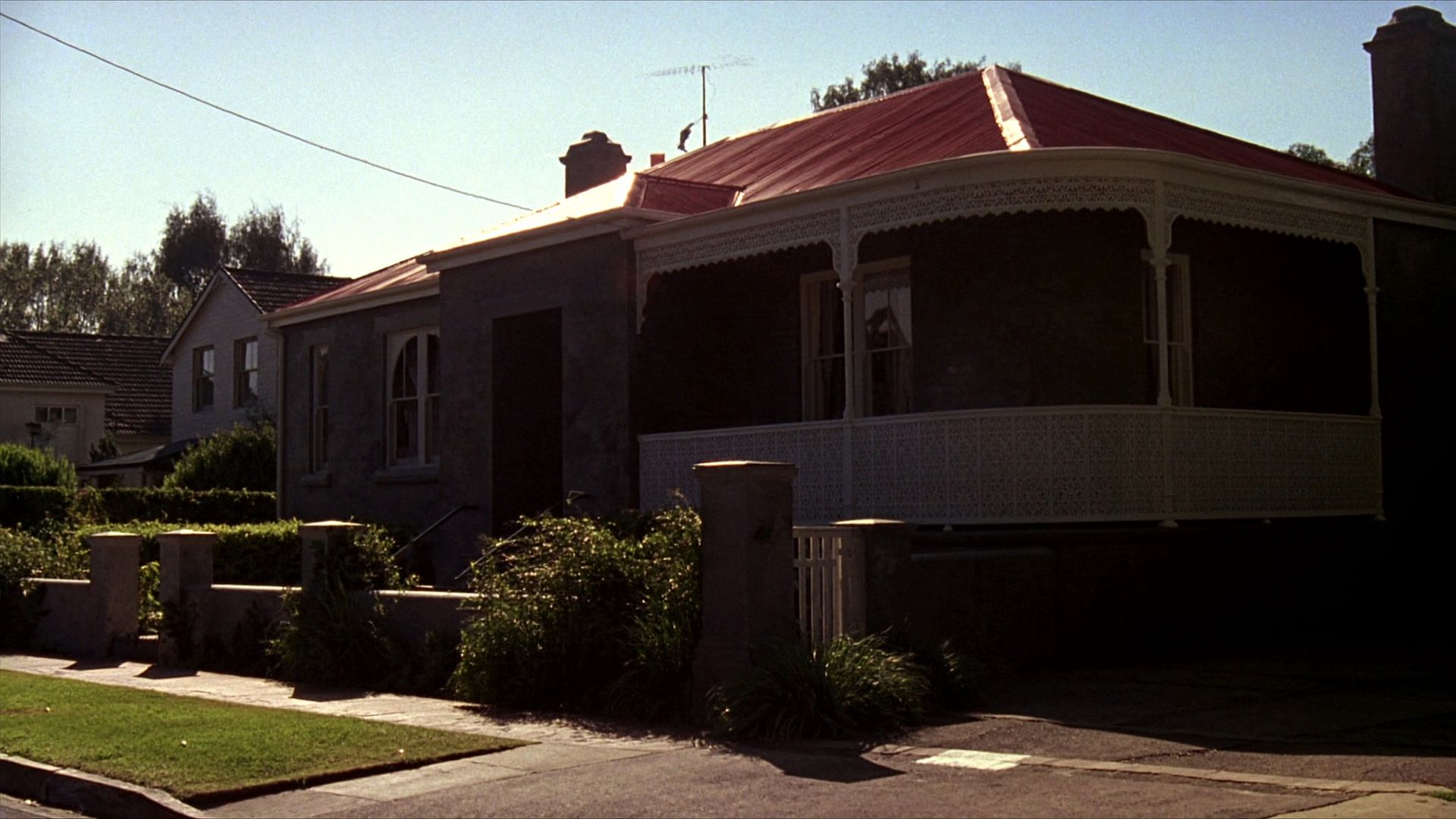 Design concept
Fig. 01Character home renovations 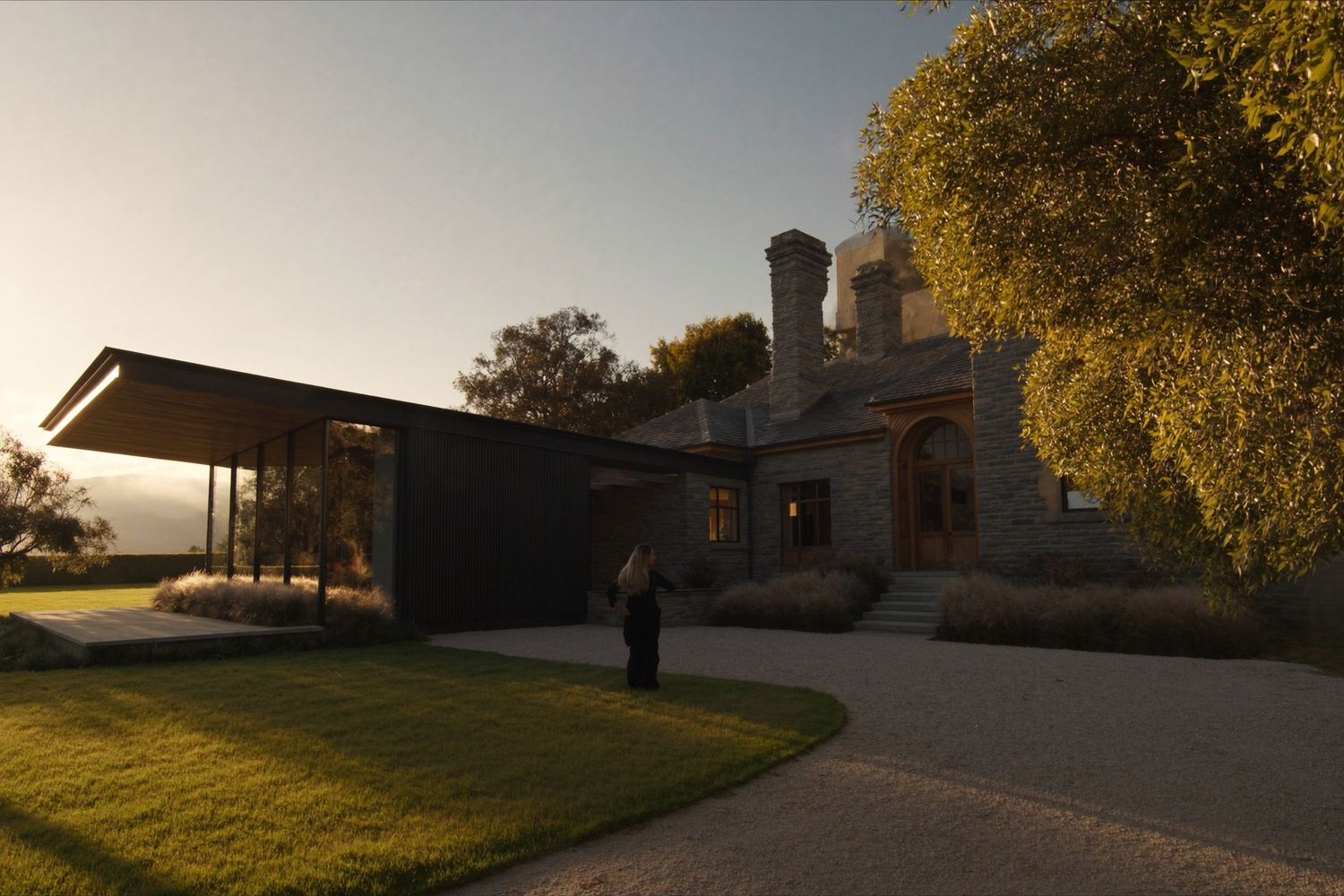 Design concept
Fig. 02Villa extensions
Frequently asked questions
Can we live at home during the renovation?
Often, for at least part of it. It depends on the scope, how many bathrooms you have and whether the kitchen is being replaced. Many households stay while the rear is rebuilt, then move out briefly while the only bathroom or kitchen is out of action, or while floors are sanded and coated.
Do I need council approval to renovate my house?
It depends on the work. What's often called council approval is development approval in South Australia. Internal, non-structural bathroom and kitchen renovations often don't need development approval, but structural changes can — check before you start. You can look up your property's zone and overlays in SAPPA or on PlanSA.
How do you handle salt damp?
We look for signs of it at the site visit. The right treatment depends on the cause, which is often a failed damp-proof course or one bridged by raised paths, garden beds or render. Treatment might mean lowering ground levels, improving drainage and ventilation, a new damp-proof course, or replacing render with compatible lime-based materials. Work on heritage-listed places may need approval.
Our house is in a Character Area Overlay. Can we still renovate?
Usually, yes, with more care. Under the Planning and Design Code, demolition and changes visible from the street may need planning consent in a Historic Area or Character Area Overlay. Many character home renovations in Adelaide keep the street frontage largely intact and modernise the rooms behind it. Check what applies to your property before plans are finalised.
Could our 1960s home contain asbestos?
It's likely. Homes built or renovated before 1990 are likely to contain asbestos, for example in fibro eaves, older wet-area linings or vinyl floor tiles. We don't test for or remove asbestos, but we point out suspect materials so they can be checked before demolition. Where the law requires a licensed removalist, removal must be done by a SafeWork SA–licensed asbestos removalist.
Can you renovate the house and build an extension at the same time?
Yes. We build home extensions as well as renovations, so both can be planned and built as one project, with floor levels, ceilings, roof lines and services coordinated between old and new. An extension needs footings designed by an engineer for your site's soil classification.
How long does a home renovation take?
It depends on the job rather than a standard timeframe. The main factors are the number of rooms, structural changes, whether approvals are needed, what's found behind the linings, lead times for windows and cabinetry, and staging around you living at home. Once we've seen the house, we can talk through a realistic program.
Keep exploring
Related services
Planning more than one piece of work? These services often go hand in hand with this one.
Home extensions
Extra living space, bedrooms and open-plan kitchens added to existing homes, joined carefully to the original house.
Kitchen renovations
New kitchens, islands and butler's pantries, plus the work around them: walls, lighting, flooring, and plumbing and electrical by licensed trades.
Bathroom renovations
Main bathrooms, ensuites and powder rooms, with waterproofing, licensed trades and finishes coordinated by one builder from strip-out to handover.
Where we work
Areas we cover
We work across metropolitan Adelaide, the Adelaide Hills and the Fleurieu Peninsula through to Victor Harbor. Each area page explains the housing, councils and site conditions to plan for.
- Eastern Suburbs
- Unley, Mitcham & Inner South
- Western & Beachside Suburbs
- Northern Suburbs
- Southern Suburbs
- Adelaide Hills
- Victor Harbor & Fleurieu
Before you start
Helpful guides
Guide · 10 min read
Renovating an Adelaide character home: villas, bungalows and bluestone
Character and historic overlays, salt damp, older materials and how to add modern living without losing what makes the house special.
Guide · 8 min read
Approvals, licences and insurance for renovations in South Australia
When development approval may be needed, how to check a builder's licence, and how building indemnity insurance and statutory warranties work in SA.
Your project starts here
Talk to a director about your home renovation
Tell us about your house, what isn't working and what you'd like to change. Has or Darko can talk it through with you and arrange a time to see the house.