
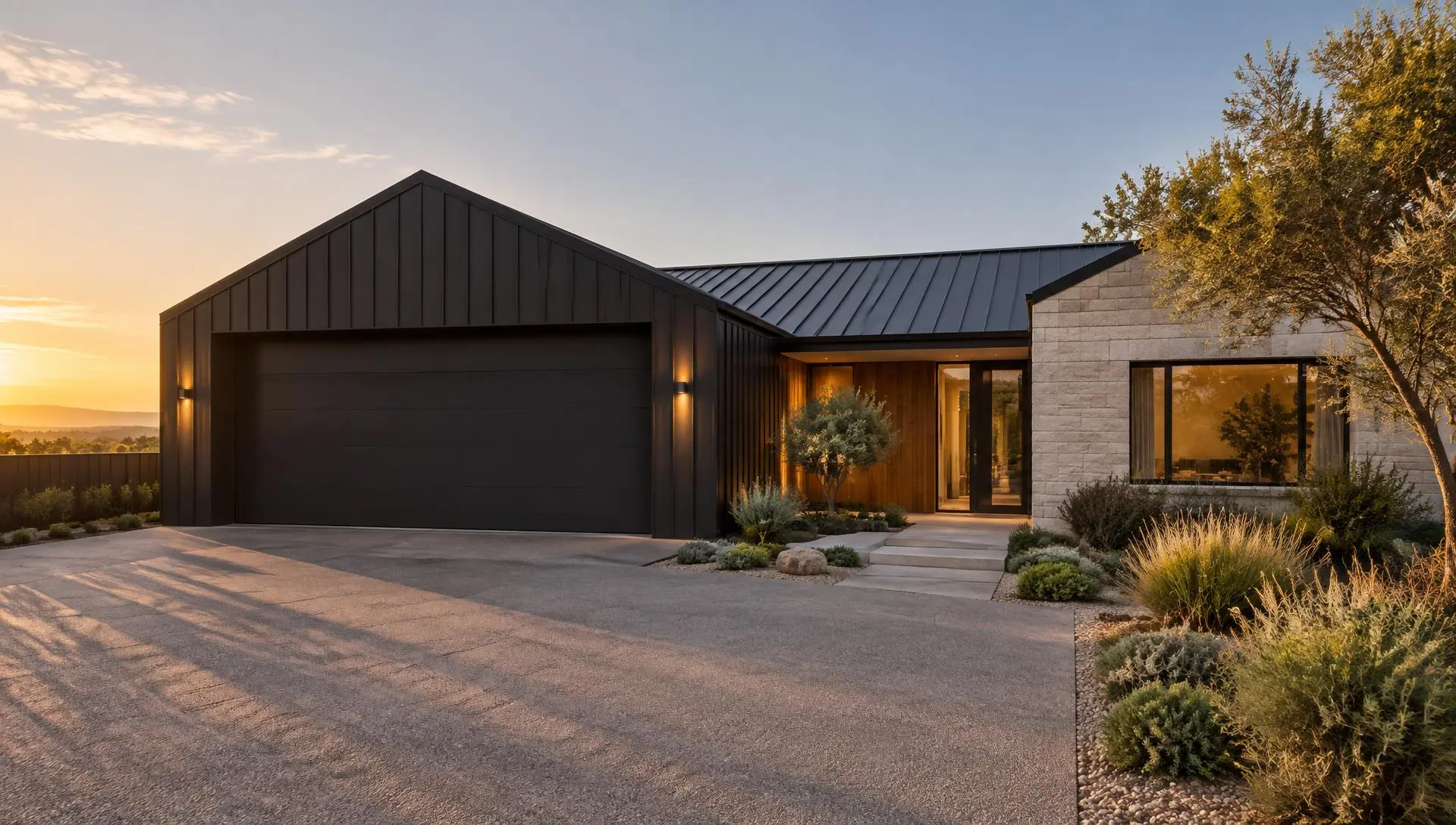
New homes & knockdown-rebuild
Custom new homes on your block, including knockdown-rebuild projects, built from your designer's plans and managed through to handover.
Service area
Adelaide's western and beachside suburbs run along the coast from Semaphore through Grange, Henley Beach and West Beach to Glenelg, Somerton Park and Brighton, with Fulham and West Lakes a short way inland. The housing is varied: old seaside cottages and villas near the esplanades, plenty of post-war and 1960s–80s brick homes, and a growing number of townhouses and two-storey houses on subdivided land.
 Design concept
Because land near the beach is so sought after, many owners in the west weigh up whether to renovate what they have or replace it. Knockdown-rebuilds are a familiar sight on wide post-war blocks, while owners of older cottages in Semaphore or Glenelg more often renovate and extend. Either way, bathrooms, kitchens and an open-plan living area that connects to the backyard tend to top the list.
Bright builds across the western suburbs, from bathroom and kitchen renovations to extensions and custom new homes. Coastal conditions such as salt-laden air, onshore wind and sandy ground influence material choices and detailing, so we raise them in the first conversation rather than at the end.
Quick answer
The west mixes older seaside cottages and villas, post-war homes, 1960s–80s brick houses and newer infill such as townhouses and two-storey homes. Many sites are close enough to the sea to feel the effects of salt air and wind, and some sit on sandy soils rather than the heavier clays found further inland.
Semaphore and parts of Glenelg have some of the oldest housing in this part of Adelaide, including stone and brick cottages, Edwardian villas and some grand seaside residences. Grange and Henley Beach also have older beach cottages and villas near the water, mixed in with later houses and apartments. Some of these streets carry character or historic overlays.
Large parts of Fulham, West Beach, Brighton and Somerton Park were built up in the decades after the Second World War, so single-storey brick and brick-veneer homes from the 1950s to 1980s are common, many on blocks since split into two or three. West Lakes was planned around its man-made lake from the 1970s, and many homes there date from that era and the 1980s, some with water frontage.
Houses from the 1960s to 80s often have sound bones but dated interiors: original kitchens, one bathroom shared by the whole family, aluminium windows, little or no wall insulation and closed-off living rooms. They also tend to suit a rear extension or a reworked floor plan better than older cottages on narrow lots.
Site conditions
Every property is different. These are the planning and site conditions worth checking early for building work in this area, and we look at them with you from the first site visit.
Coastal sites may need higher corrosion protection for metal fixings, ties and framing, and some have higher wind classifications. Near the beach, window hardware, flashings, exposed screws and external light fittings can deteriorate faster in salty air, so their specification deserves attention.
Sites close to the coast can sit on sand rather than reactive clay, and some blocks have a mix of fill and natural ground. Footings for a new home or extension should be designed by an engineer for the site's soil classification, whatever the ground looks like on the surface.
Many blocks in the west have been divided into two or more allotments, leaving narrower sites with tight access and neighbours close on several sides. That affects how materials and machinery get in, where a new home can sit and how much room is left for an extension.
West-facing living areas can overheat on summer afternoons, and strong sea breezes affect which side of the house is comfortable to open up to the garden. Window placement, glazing and insulation are worth thinking about early, whether you're renovating or rebuilding.
Services
Each service page explains what's involved, what affects cost and what to check in South Australia before you start.
Custom new homes on your block, including knockdown-rebuild projects, built from your designer's plans and managed through to handover.
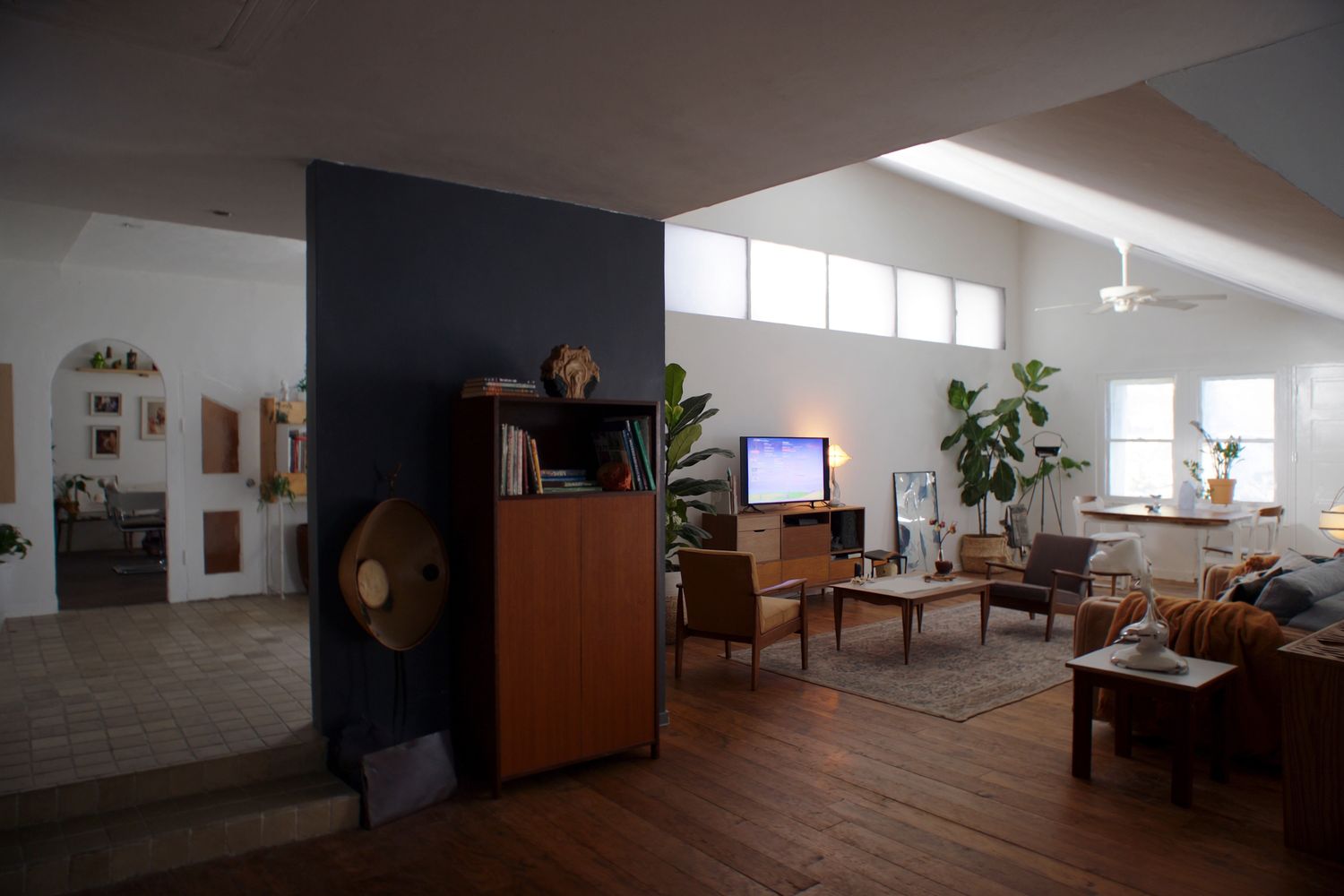
Reworked layouts, opened-up living areas and updated character homes, planned around how your household lives now.
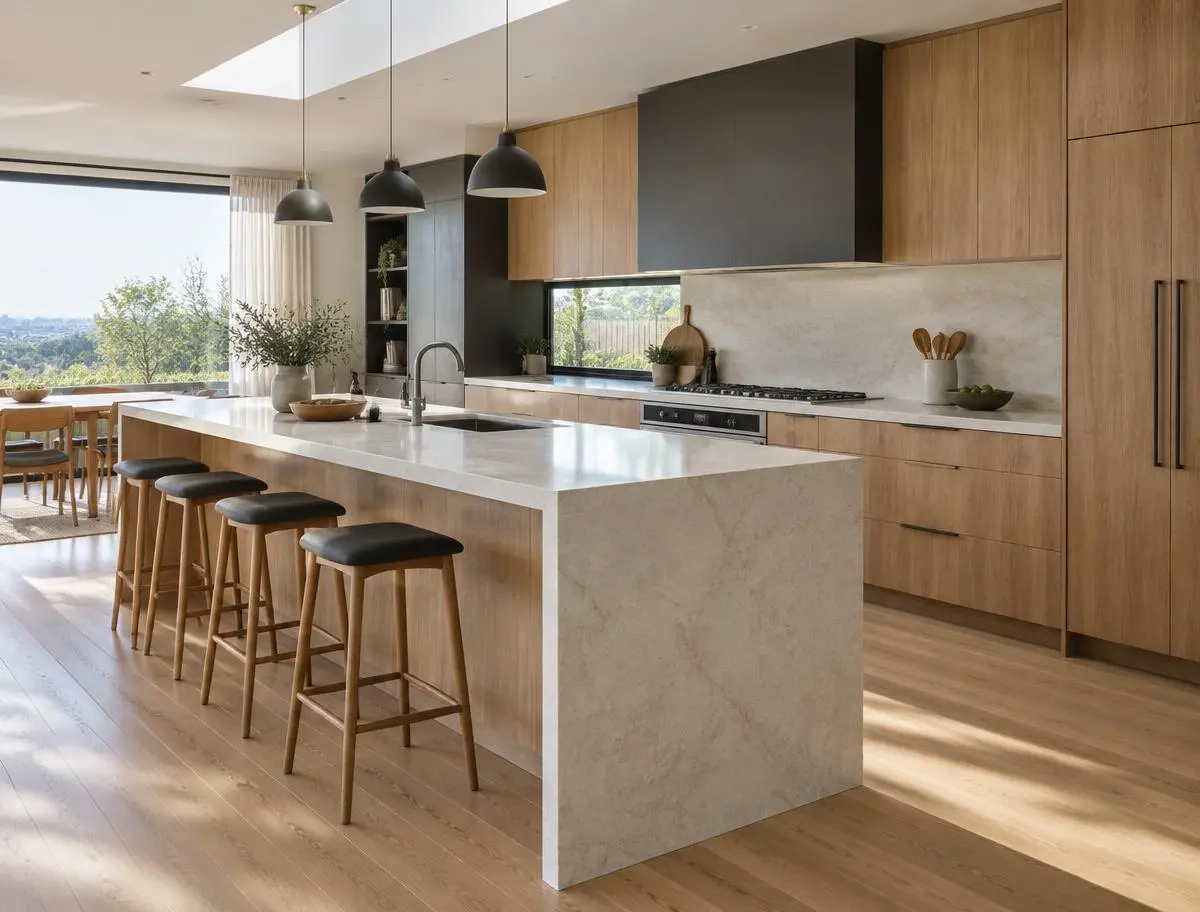
New kitchens, islands and butler's pantries, plus the work around them: walls, lighting, flooring, and plumbing and electrical by licensed trades.
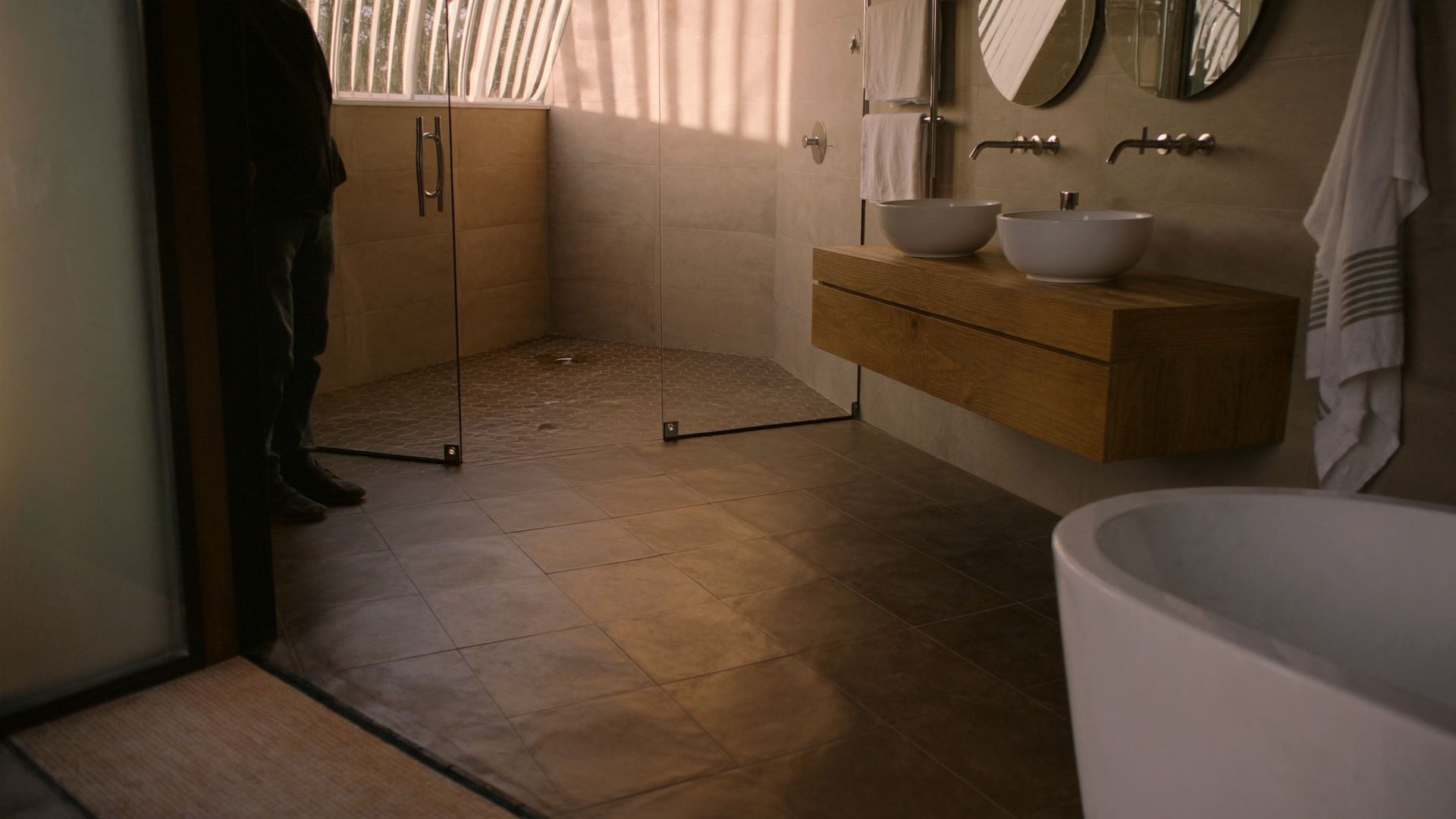
Main bathrooms, ensuites and powder rooms, with waterproofing, licensed trades and finishes coordinated by one builder from strip-out to handover.
FAQs
Can’t see your question? Call Has on 0400 028 777 and talk it through with a director.
Yes. Bright builds custom new homes, including knockdown-rebuilds, across the western and beachside suburbs, from Semaphore and Henley Beach to Glenelg, Brighton and Somerton Park, working from plans by your architect or building designer.
New homes in South Australia generally need to meet the National Construction Code's 7-star energy efficiency and Livable Housing Design requirements, which apply from 1 October 2024 (some concessions apply).
It depends on the condition of the existing house, what you need from it, and the zone and overlays on your block, including whether a Historic Area or Character Area Overlay means demolition may need planning consent. A sound brick home can often be updated and extended, while a house with major structural or layout problems may be better replaced. We can walk through both options with you and the factors that drive cost and time for each.
Internal, non-structural bathroom and kitchen renovations often don't need development approval, but structural changes can, so check before you start. Removing a load-bearing wall, altering the roof or extending outwards are the kinds of changes that may bring approval into play. The zone and overlays for your property are listed in the SA Property and Planning Atlas (SAPPA).
Planning rules change. Check the current requirements for your property before you start.
Your project starts here
Tell us what you're planning and where. You'll deal directly with a director from the first conversation.