
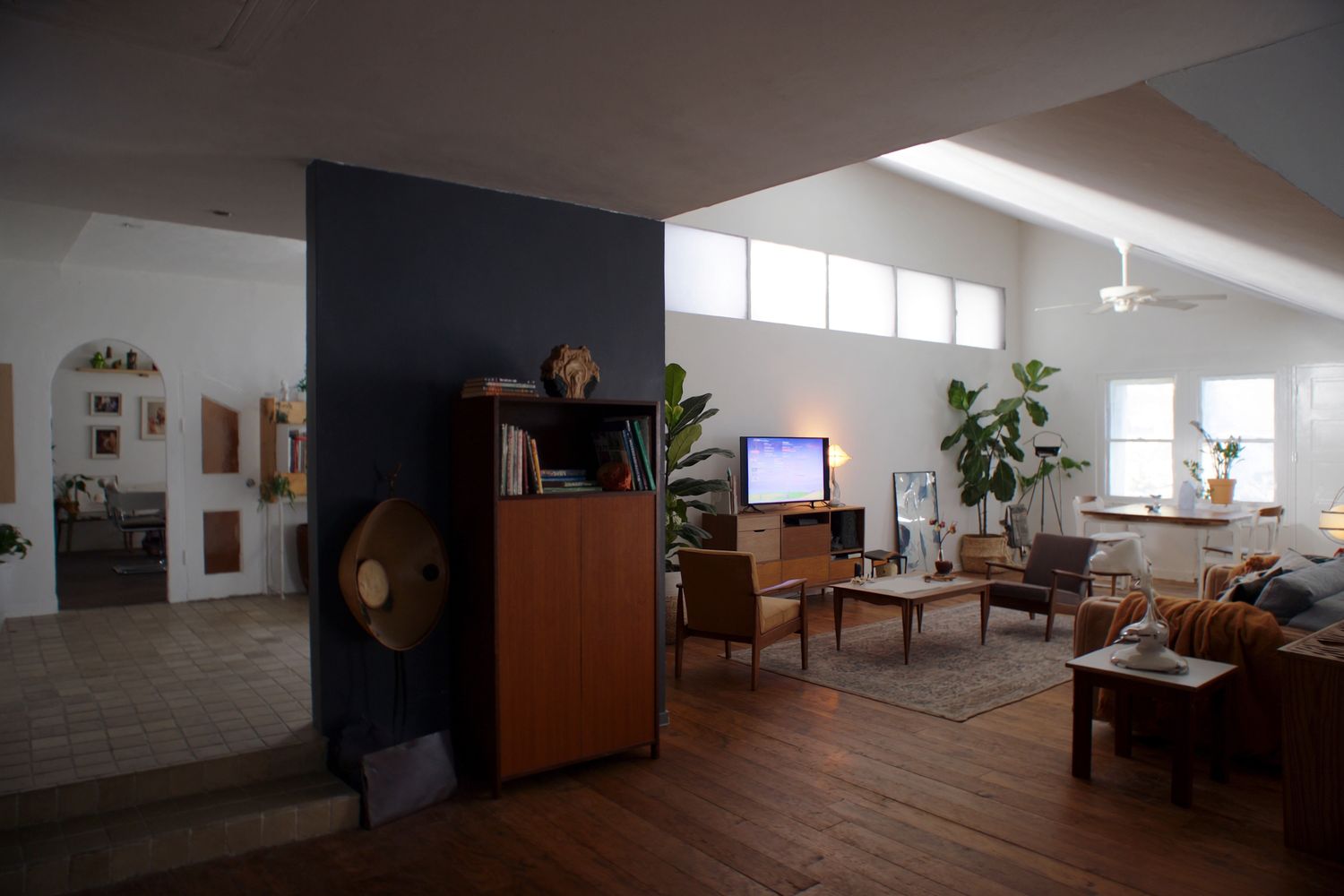
Home renovations
Reworked layouts, opened-up living areas and updated character homes, planned around how your household lives now.
Service area
Building in the Adelaide Hills is a different exercise from building on the plains. Stirling, Aldgate, Crafers and Bridgewater are leafy, high-rainfall towns where many homes sit on sloping, heavily treed blocks. Hahndorf, Lobethal and Nairne have historic main streets and stone cottages, Uraidla sits among market gardens and orchards, and Mount Barker and Littlehampton have grown quickly, with new estates wrapped around older township housing.
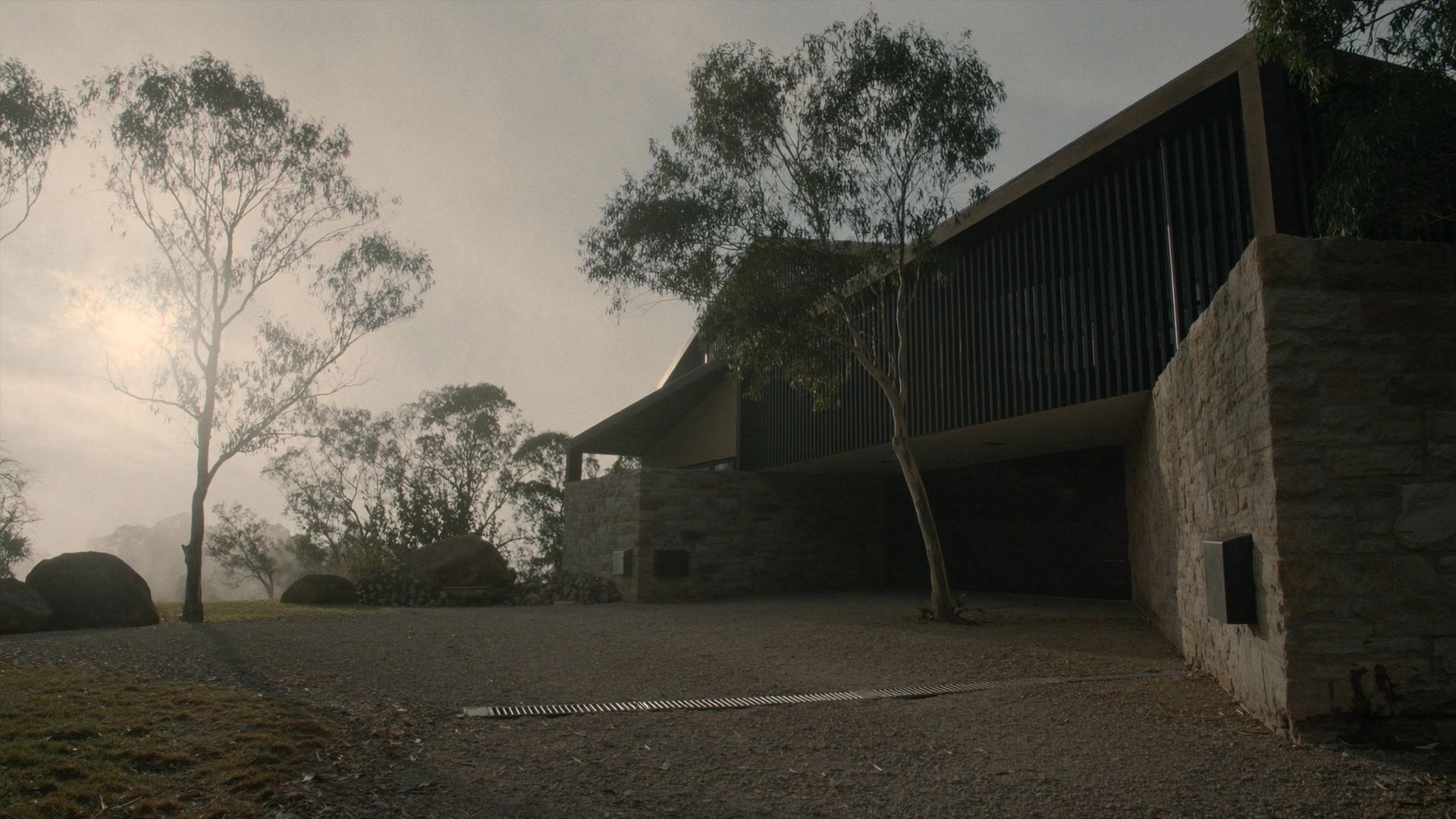 Design concept
What owners want varies with the house. People in old stone cottages commonly want a warmer, drier home with a modern kitchen and bathroom. Owners of 1960s–90s hills houses often want to brighten dark interiors and make more of the view. In the older parts of Mount Barker and Littlehampton, some weigh up a knockdown-rebuild, while others simply need an extra bedroom or a second bathroom.
Bright works across the Adelaide Hills Council and Mount Barker District Council areas, taking on renovations, extensions and new homes. Hills projects carry more variables than a typical suburban job, so bushfire requirements, access and water supply are on the table from the start.
Quick answer
The Hills combine nineteenth-century stone cottages and heritage buildings in towns like Hahndorf and Lobethal, timber and brick homes on sloping bushland blocks around Stirling and Aldgate, and newer estate houses in Mount Barker. Many properties are affected by bushfire planning rules, and the cooler, wetter climate changes how homes should be built.
Hahndorf was settled by German-speaking Lutheran migrants in the late 1830s, and its main street and surrounding lanes still have stone cottages, barns and churches from its early decades. Lobethal and Nairne also have historic town centres. Some properties in these towns sit in historic overlays, and heritage-listed places may need further approval for changes.
Around Stirling, Aldgate, Crafers and Bridgewater, some large older homes were built as summer retreats, but many houses date from the 1950s to the 1990s. They often sit on steep, vegetated blocks, with timber floors over deep sub-floor spaces, split-level or pole construction and big windows facing the view. Homes like these can feel cold and dim in winter, and ageing timber should be checked for rot and termite damage.
Mount Barker and Littlehampton have changed the most in recent years, with large new housing estates growing around the older townships. Newer homes there are typically single-storey brick veneer on smaller lots, while the original streets still hold stone cottages and post-war houses. Elsewhere, Uraidla and similar rural areas have farmhouses and horticultural properties.
Site conditions
Every property is different. These are the planning and site conditions worth checking early for building work in this area, and we look at them with you from the first site visit.
Properties in a Hazards (Bushfire) overlay may need a Bushfire Attack Level (BAL) assessment, and new homes and many additions in bushfire-prone areas must be built to the BAL set under AS 3959. The rating can affect windows, external cladding, roofing details and ember screening, so find out early.
Steep driveways, narrow roads and sloping sites make deliveries, excavation and scaffolding harder, and footings often need to step down the hill. An engineer designs footings to suit the soil and site, and the sequence of work is planned around how materials can physically get in.
The Hills are cooler and wetter than the Adelaide plains, so insulation, draught sealing, sub-floor ventilation and drainage away from the walls matter more. Condensation and damp in older stone cottages are common complaints worth fixing during a renovation, not after it.
In Hahndorf and other historic towns, properties in a Historic Area or Character Area Overlay may need planning consent for demolition and street-visible changes. Matching stonework, lime mortars and traditional joinery takes care and the right materials.
Some Hills properties rely on rainwater tanks and on-site wastewater systems rather than mains connections. That can affect where a new bathroom or laundry can go and whether the existing system has capacity, so it's worth confirming before plans are finalised.
Services
Each service page explains what's involved, what affects cost and what to check in South Australia before you start.
Reworked layouts, opened-up living areas and updated character homes, planned around how your household lives now.
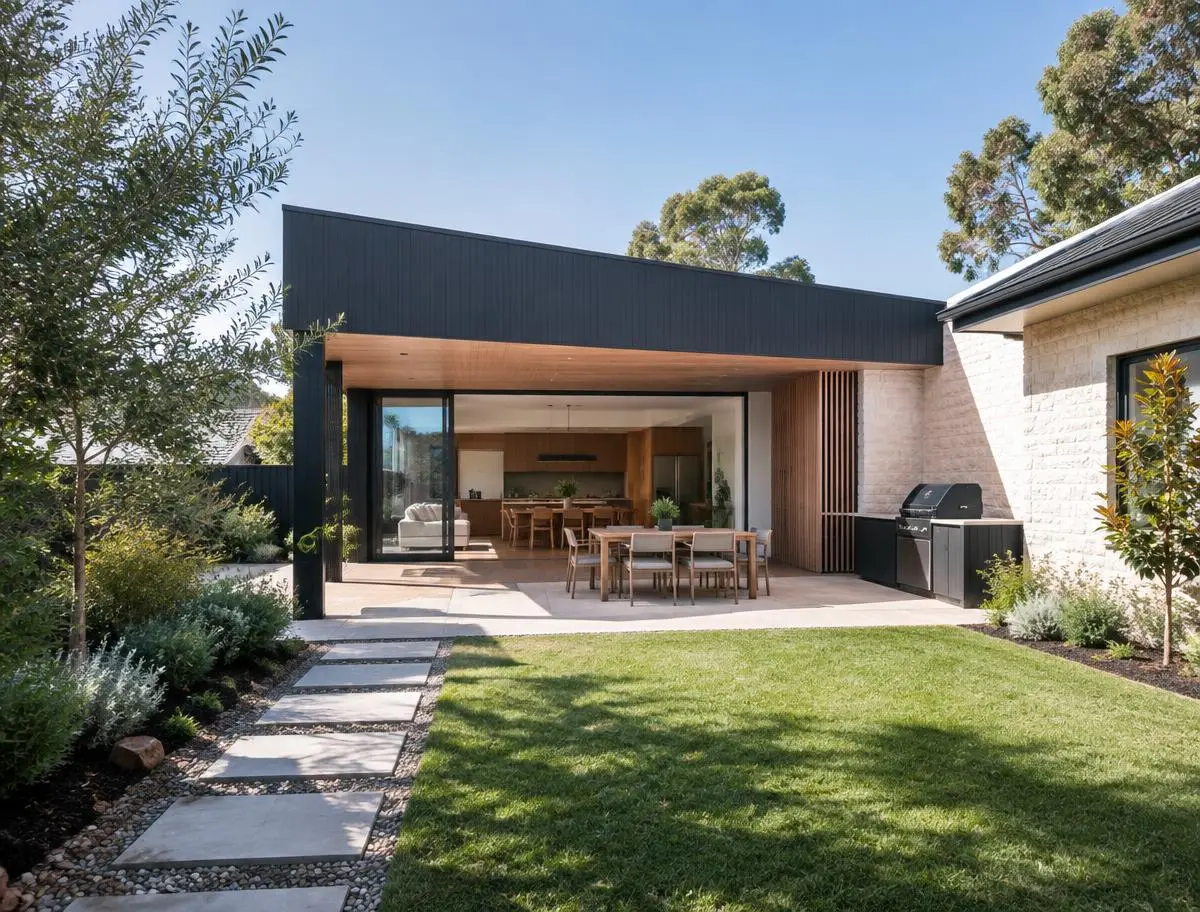
Extra living space, bedrooms and open-plan kitchens added to existing homes, joined carefully to the original house.
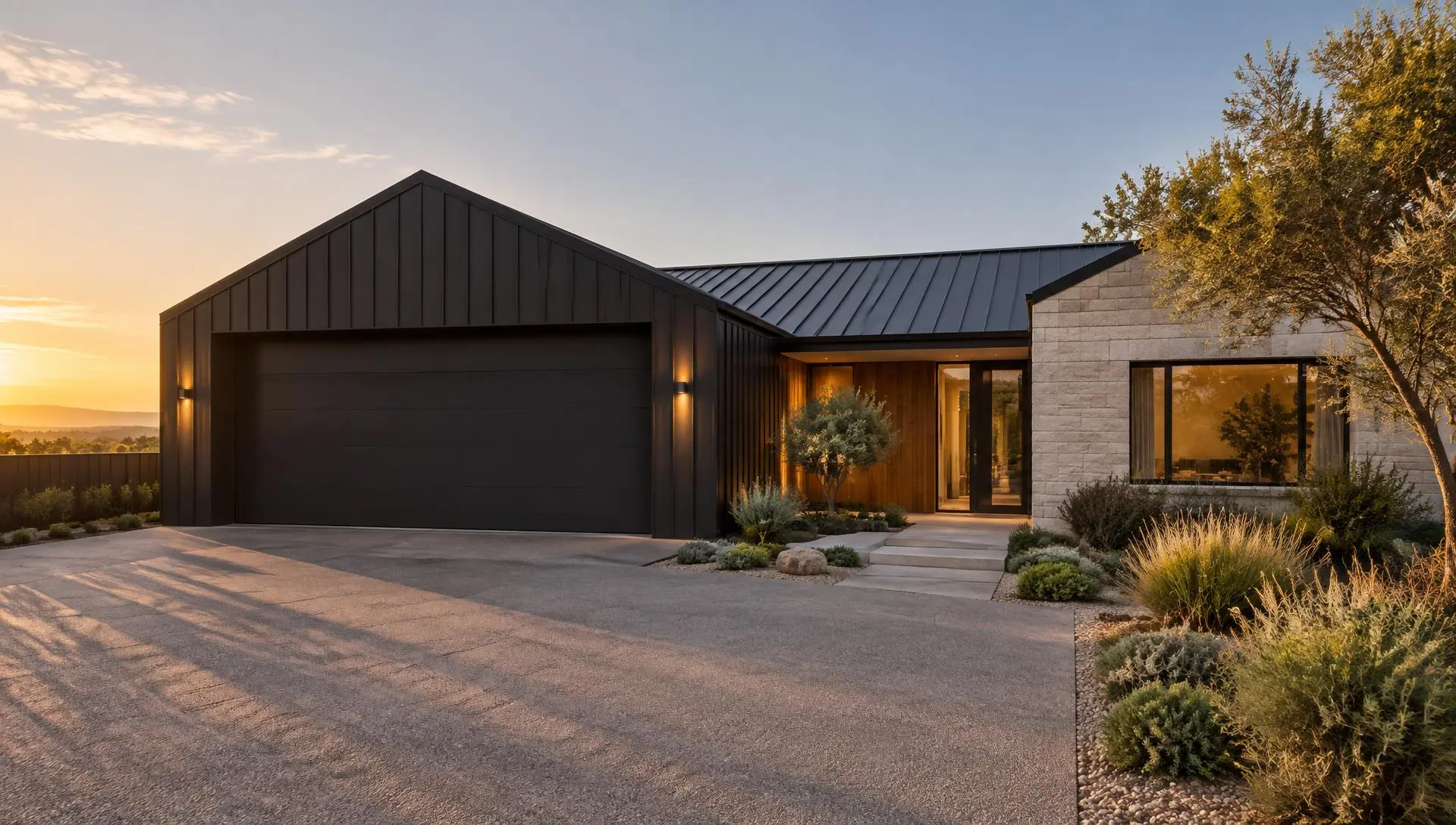
Custom new homes on your block, including knockdown-rebuild projects, built from your designer's plans and managed through to handover.
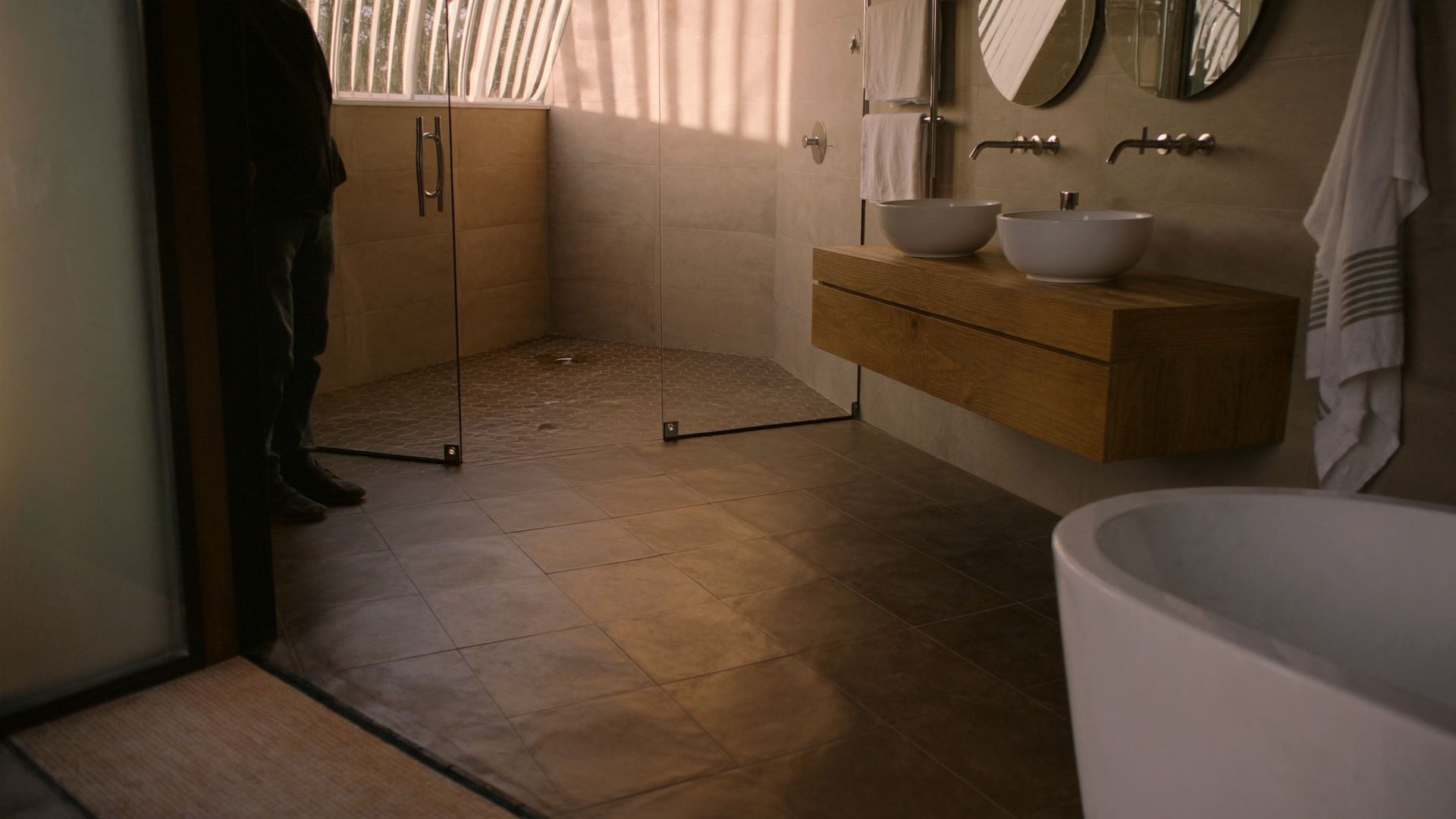
Main bathrooms, ensuites and powder rooms, with waterproofing, licensed trades and finishes coordinated by one builder from strip-out to handover.
FAQs
Can’t see your question? Call Has on 0400 028 777 and talk it through with a director.
Yes. Bright works across the Adelaide Hills, including Stirling, Aldgate, Crafers, Bridgewater, Hahndorf, Mount Barker, Littlehampton, Nairne, Lobethal and Uraidla. We can help with renovations, extensions, bathrooms, kitchens and new homes.
You may. If your property is in a Hazards (Bushfire) overlay, a Bushfire Attack Level assessment may be required, and many additions in bushfire-prone areas must be built to the BAL set under AS 3959. You can check whether the overlay applies in the SA Property and Planning Atlas (SAPPA) or on PlanSA, and your designer or certifier can advise on the assessment. We then build to the BAL that applies.
Yes. Older stone cottages in Hahndorf and other Hills towns can take new kitchens, bathrooms and additions, but they need care. Stone walls can suffer from rising damp, original lime mortar should be repaired with compatible materials rather than hard cement, and heritage-listed places or properties in a historic overlay may need extra approvals. We'll talk through what's practical for your cottage before work begins.
Planning rules change. Check the current requirements for your property before you start.
Your project starts here
Tell us what you're planning and where. You'll deal directly with a director from the first conversation.