It is general information, not legal advice, and requirements change. Confirm the current position for your property with PlanSA, your council, a private certifier or Consumer and Business Services (CBS) before you commit to a design or sign a contract.
Key takeaways
- Whether you need development approval depends on the work and your property's zone and overlays. Check them in SAPPA or on PlanSA.
- Internal, non-structural bathroom and kitchen renovations often don't need development approval, but structural changes can. Check before you start.
- Historic Area, Character Area and bushfire overlays can add steps, such as planning consent for street-visible changes or a Bushfire Attack Level (BAL) assessment.
- Check any builder on the CBS 'Find a licence holder' register: the name should match your contract and the licence should be current.
- Where building indemnity insurance is required, ask for a copy of the certificate before work starts.
- Statutory warranties set a minimum standard; a written scope with clear inclusions and exclusions defines the job.
How do renovation approvals work in South Australia?
Quick answer
In South Australia, building work may need development approval, which can involve planning consent, building consent or both. Whether your project needs it depends on the work and the zone and overlays that apply to your property. You can check them in the SA Property and Planning Atlas (SAPPA) or on PlanSA.
The planning rules for what can be built where are set out in the statewide Planning and Design Code. Every property sits in a zone, which describes the kind of development expected there, and many also sit under overlays that add requirements for issues such as historic and character areas or bushfire.
Search your address in SAPPA to see the zone and overlays for your block. PlanSA is the state's planning portal: it explains how the system works and is where development applications are generally lodged.
Planning consent and building consent
Planning consent looks at whether a proposal suits its location under the Planning and Design Code, considering things like where it sits on the block, its height and how it looks from the street. Building consent looks at whether the construction meets the National Construction Code as it applies in South Australia, covering matters such as structure and fire safety.
Some projects need one consent; many need both. Work that needs development approval must not start until that approval has been granted.
Who usually prepares and lodges the application
Applications are usually prepared by the owner or someone acting for them. Your designer, draftsperson or a private certifier commonly helps with this.
Not every builder prepares or lodges applications, so confirm in writing who is responsible for drawings, engineering, lodgement and certification before you sign a building contract.
Do I need council approval to renovate in SA?
Quick answer
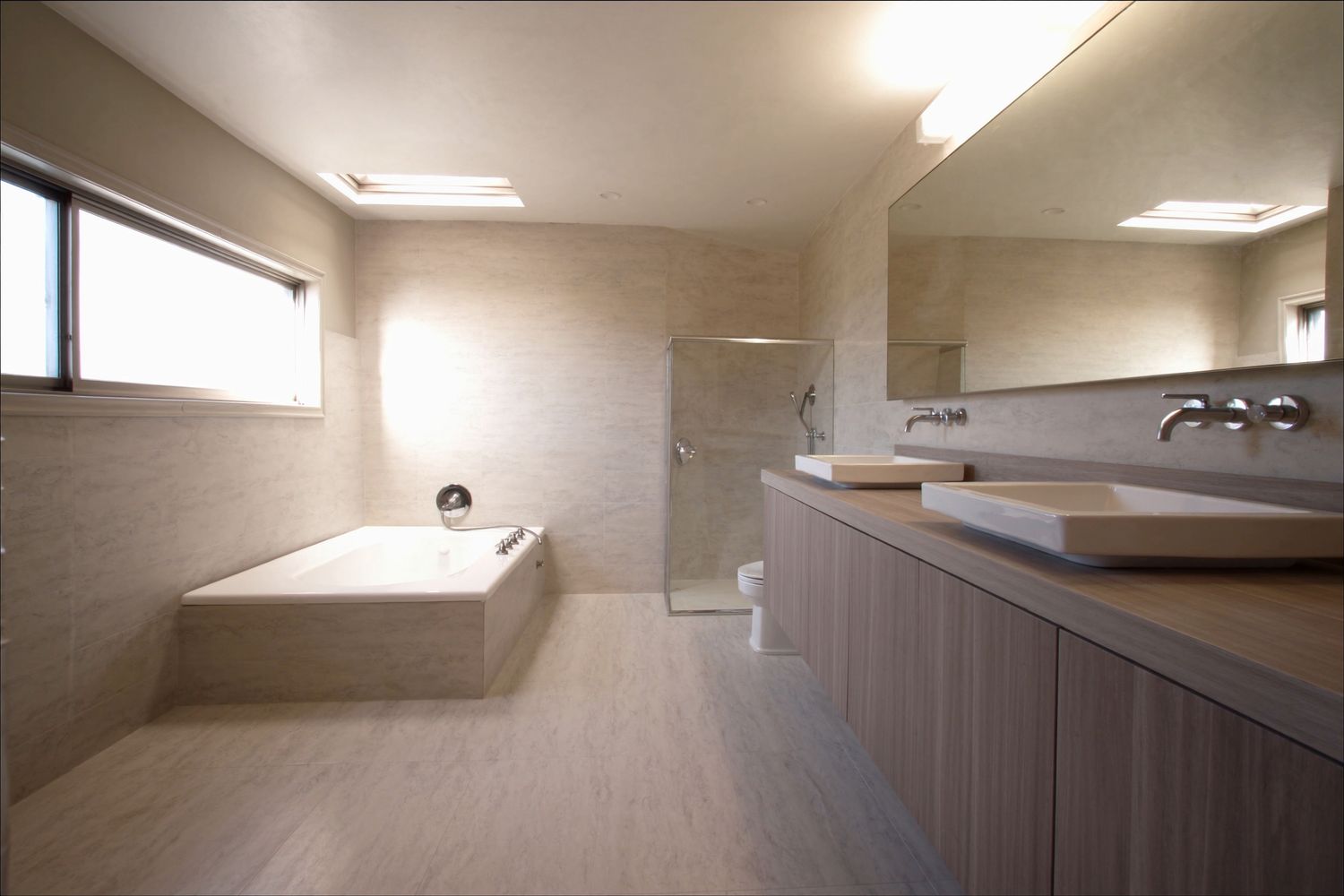
It depends on the work. Internal, non-structural bathroom and kitchen renovations often don't need development approval, but structural changes can, so check before you start. Extensions, new homes, structural alterations and some demolition commonly need approval, and the zone and overlays on your property can change the answer for the same job.
People often say 'council approval', but the formal term is development approval, and the council isn't always the assessor. Treat these lists as a starting point for a conversation with your designer, certifier or council, not a final answer.
Work that commonly needs approval
Projects like these commonly need approval, or depend heavily on your zone and overlays:
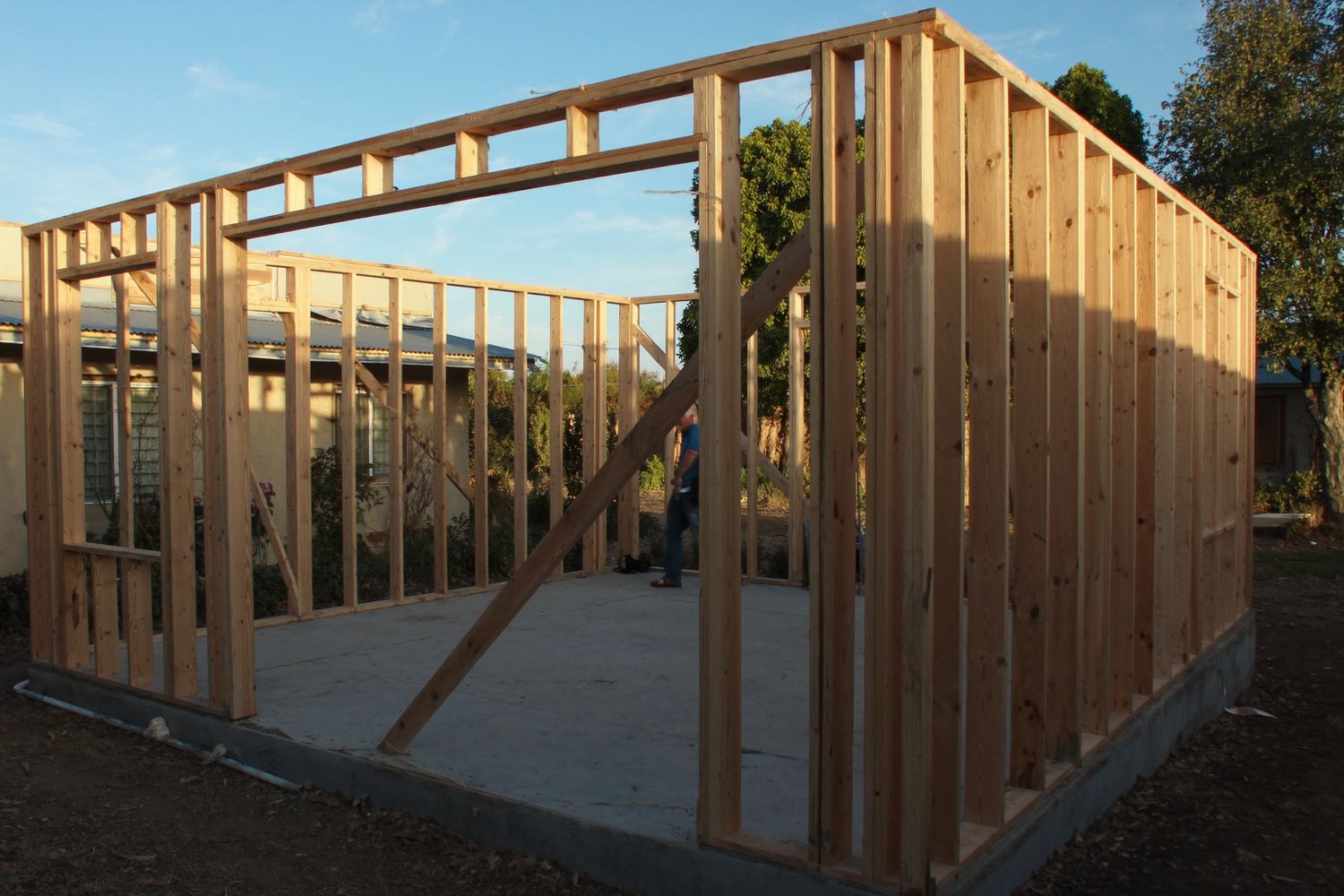
- Extensions and additions, including second-storey additions
- Removing or altering load-bearing walls, and other structural changes
- New homes, including knockdown-rebuild projects
- Demolition, and changes visible from the street, in a Historic Area or Character Area Overlay
- Work on heritage-listed places
- Additions in bushfire-prone areas, which may also need a BAL assessment
Work that often doesn't need approval
Replacing a kitchen, bathroom or laundry within the existing room, without touching structural walls, often falls outside development approval. Moving a wall, enlarging an opening or working on a heritage-listed place can change that, so confirm before you finalise the design.
Approval isn't the only requirement
Waterproofing in bathrooms, laundries and other wet areas must comply with the National Construction Code (NCC) as it applies in South Australia. Australian Standard AS 3740, Waterproofing of domestic wet areas, is the standard most commonly used to meet those requirements. Plumbing, gas and electrical work must be done by appropriately licensed trades.
Many Adelaide suburbs also sit on reactive clay soils that shrink and swell with moisture, so extensions need footings designed by an engineer for the site's soil classification.
What if my home is in a character, heritage or bushfire area?
Quick answer
Overlays can add steps. In a Historic Area or Character Area Overlay under the Planning and Design Code, demolition and changes visible from the street may need planning consent, and heritage-listed places may need further approval. Properties in a Hazards (Bushfire) overlay may need a Bushfire Attack Level (BAL) assessment.
Historic and character areas, and heritage-listed places
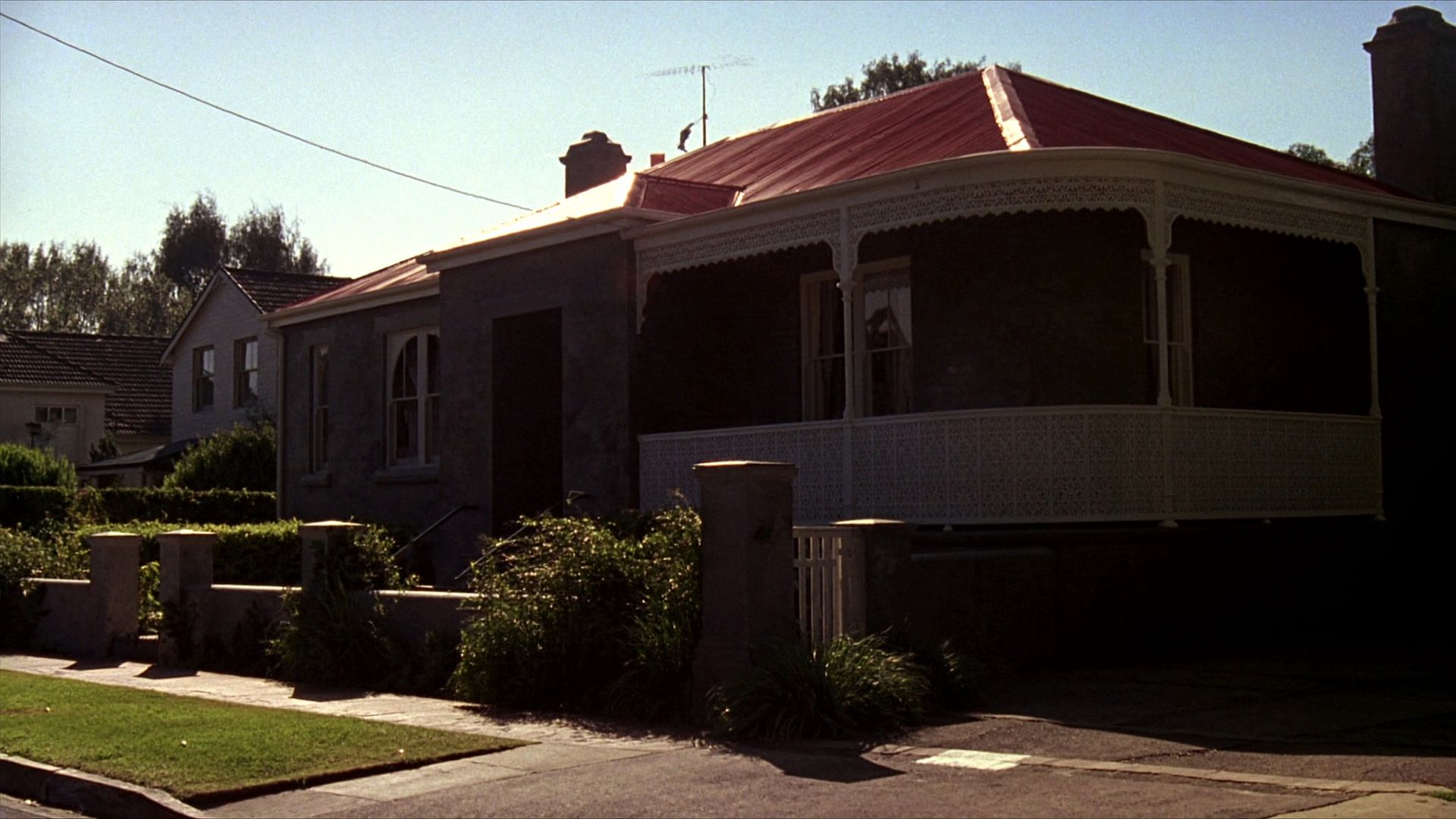
Some of Adelaide's streets of villas, bungalows and bluestone cottages sit in a Historic Area or Character Area Overlay. Work at the back of the house is often more straightforward, but an extension that rises above the roofline or shows from a side street deserves early advice.
For a heritage-listed place, even routine-seeming work such as treating salt damp, which is common in older Adelaide stone and brick homes, may need approval.
Bushfire overlays and BAL
New homes and many additions in bushfire-prone areas must be built to the BAL set under AS 3959. The BAL reflects how exposed a site is to embers, radiant heat and flames, and it can affect materials, windows, doors and cost.
Bushfire overlays apply in parts of the Adelaide Hills and the Fleurieu Peninsula, among other places. Check SAPPA early, because the BAL can shape the design.
How do I check a builder's licence in SA?
Quick answer
You can check any South Australian builder's licence on the Consumer and Business Services (CBS) 'Find a licence holder' register. Search using the name or licence number on your quote, then confirm the licence holder's name matches the business you're dealing with and that the licence is current.
Do this before you sign anything, and if a quote doesn't show a licence number, ask for it. On the register, check that:
- The licence holder's name matches the person or company named on your quote and contract
- The licence is current
- Any conditions shown make sense for your project; if not, ask the builder to explain them
Check the business you're contracting with
If your contract names a company, look up that company, not just the person you've been speaking with. Plumbing, gas and electrical work must be done by appropriately licensed trades, so ask who will do that work too.
What is building indemnity insurance in SA?
Quick answer
Building indemnity insurance protects you if your builder dies, disappears or becomes insolvent and can't finish the work or fix defects. In South Australia, a licensed builder must take it out before starting domestic building work that needs development approval and meets the value threshold. Ask for the certificate before work starts.
In South Australia, a licensed builder must take out building indemnity insurance before starting domestic building work that needs development approval and is valued at $20,000 or more (the threshold rose from $12,000 on 10 November 2025). Check current requirements with Consumer and Business Services (CBS).
Because the requirement only applies to work that needs development approval and meets the value threshold, not every renovation will be covered, which makes the licence check and written contract just as important for smaller jobs. When a certificate arrives, check that:
- Your name and the property address are correct
- The builder named matches the licence holder and your contract
- The description of the work matches what you've agreed to
What do statutory warranties and your contract cover?
Quick answer
Statutory warranties set a minimum standard for how domestic building work in South Australia is done, covering workmanship, materials, compliance with the law and reasonable diligence. Your written contract and scope define what the work actually is: what's included, what isn't and who is responsible for each part. It helps to understand both.
Statutory warranties
Domestic building work contracts in South Australia carry statutory warranties under section 32 of the Building Work Contractors Act 1995: that the work will be done with proper workmanship, using good and proper materials, in line with the law, and with reasonable diligence. If you have questions about your rights, CBS is a good starting point for general information.
Getting the scope in writing
Many renovation disagreements come down to different expectations about what was included. Read the whole contract, ask about anything unclear and get the answers in writing. Before signing, make sure the documents cover:
- The scope of work, with drawings and a specification or schedule of finishes
- Inclusions and exclusions, written out rather than assumed
- Allowances for items not yet chosen, such as tiles or tapware (prime cost items), and for work that can't yet be fully priced (provisional sums)
- How changes (variations) are priced and agreed, ideally in writing before the work is done
- Who is responsible for drawings, engineering, approvals and certification
- The payment stages and what triggers each one
What should I know about asbestos before renovating?
Quick answer
Homes built or renovated before 1990 are likely to contain asbestos, so suspect materials should be checked before any demolition. Where the law requires a licensed removalist, removal must be done by a SafeWork SA–licensed asbestos removalist. Agree early who arranges the check and any removal.
Examples of suspect materials include fibro wall or eave sheeting, older wet-area linings, vinyl floor tiles and their backing, and some roofing and fencing. Asbestos has been banned in Australia since 31 December 2003. The law requires a SafeWork SA–licensed asbestos removalist for any friable asbestos, or for more than 10 m² of non-friable asbestos.
Raise it at the quoting stage: who arranges the inspection, what happens if asbestos is found, and how that affects the scope, sequence and price.
What should I check before renovation work starts?
Quick answer
Before work begins, confirm whether development approval is needed and, if so, that it has been granted. Check the builder's licence, get the building indemnity insurance certificate where it applies, and make sure the scope, inclusions and exclusions are in writing. A short checklist helps you catch gaps early.
Work through this list before anyone starts on site:
- You've checked your property's zone and overlays in SAPPA or on PlanSA
- You know whether the work needs development approval and, if it does, approval has been granted
- It's clear in writing who handles drawings, engineering, lodgement and certification
- The builder's licence is current on the CBS register, and the name matches your contract
- Where it's required, you have a copy of the building indemnity insurance certificate
- The contract and scope set out inclusions, exclusions, allowances, variations and payment stages
- Suspect asbestos materials have been checked, and any required licensed removal is planned
- In a bushfire overlay, any required BAL assessment is done and reflected in the drawings
Comparing builders
The same checks apply to every builder you're considering, including us: Bright Building & Renovations' builder's licence, BLD 45463, can be checked on the CBS register in the same way.
Frequently asked questions
Can I start work while my development application is being assessed?
Work that needs development approval must not start until that approval has been granted. If you're unsure whether part of the job can go ahead earlier, ask your certifier or council before anyone starts on site.
Does building indemnity insurance apply to a small bathroom renovation?
It depends. The requirement applies to domestic building work that needs development approval and meets the value threshold. Internal, non-structural bathroom renovations often don't need development approval, in which case the requirement may not apply.
If your project does need approval, ask whether insurance is required and for a copy of the certificate. CBS can confirm current requirements.
Who is responsible for getting development approval, me or my builder?
It varies. Applications are often prepared and lodged by the owner or someone acting for them, commonly with help from a designer, draftsperson or private certifier. Whatever the arrangement, your contract should say who is responsible for drawings, engineering, lodgement and certification.
How do I find out which zone and overlays apply to my property?
Search your address in the SA Property and Planning Atlas (SAPPA), which shows the zone and any overlays under the Planning and Design Code. If the results are hard to interpret, your designer, a private certifier or your council's planning staff can explain how they affect your project.
Sources
Official sources for the rules mentioned in this guide. Requirements change, so check them for the current position.
- Building indemnity insurance: what's new (SAFA)safa.sa.gov.au (opens in a new tab)
- Advisory Notice Building 03/25: Building indemnity insurance (PlanSA)plan.sa.gov.au (opens in a new tab)
- Find a licence holder (Consumer and Business Services)cbs.sa.gov.au (opens in a new tab)
- PlanSAplan.sa.gov.au (opens in a new tab)
- SA Property and Planning Atlas (SAPPA)sappa.plan.sa.gov.au (opens in a new tab)
- SafeWork SAsafework.sa.gov.au (opens in a new tab)
- National Construction Codencc.abcb.gov.au (opens in a new tab)
- South Australian legislation (Building Work Contractors Act 1995)legislation.sa.gov.au (opens in a new tab)