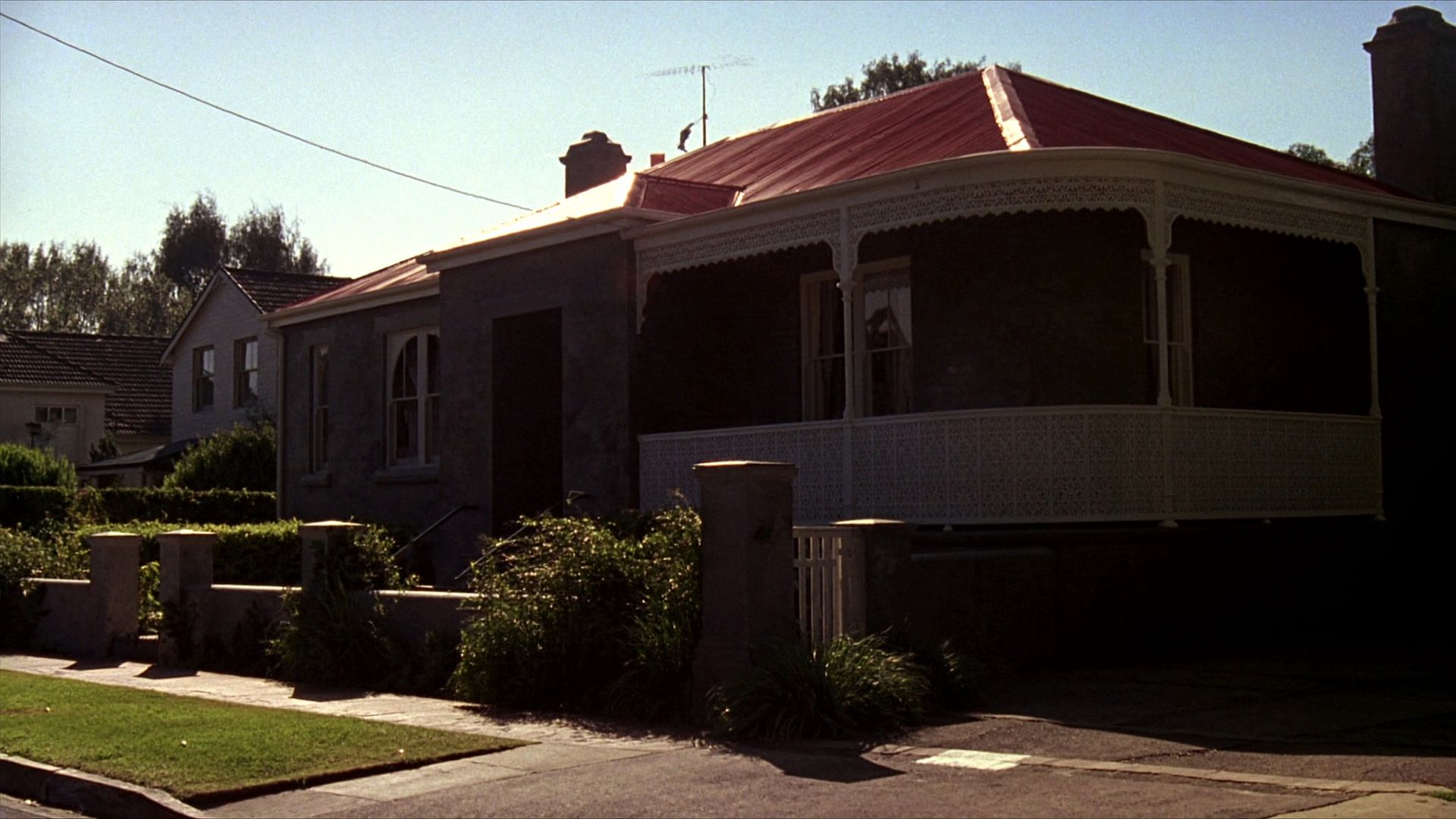
This guide covers how to recognise your home's style and what is worth keeping, then overlays, salt damp, older materials, structure, services, rear extensions, kitchens and bathrooms, and choosing a builder. It is general information: the right answers for your house come from inspecting it.
Key takeaways
- Check SAPPA or PlanSA early: in a Historic Area or Character Area Overlay, demolition and changes visible from the street may need planning consent.
- Salt damp is common in older stone and brick homes. Diagnose the cause before choosing a treatment, and never bridge the damp-proof course.
- Homes built or renovated before 1990 are likely to contain asbestos, and older paints may contain lead. Have suspect materials checked before demolition or sanding.
- Cracking often relates to reactive clay, drainage and shallow original footings. Have significant or changing cracks assessed by a structural engineer.
- A common approach keeps the original front rooms intact and adds living space at the rear, with a carefully detailed junction between old and new.
- Check your builder's licence on the CBS register and ask for the building indemnity insurance certificate where it applies.
What kinds of character homes does Adelaide have?
Quick answer
Adelaide's character homes fall into a few broad families: sandstone and bluestone cottages, Victorian and Edwardian villas in symmetrical and asymmetrical forms, bungalows of the 1920s and 1930s, and other inter-war homes including Art Deco. Knowing which you own helps you predict its materials, its weak points and the features worth keeping.
Styles overlap and most houses have been altered over the years, so treat these as broad guides rather than strict categories.
Cottages and villas
Early cottages were often built from bluestone or sandstone, with brick quoins around corners and openings and thick walls laid in lime mortar that is soft and breathable by design. A bluestone cottage renovation usually revolves around damp, mortar condition and making small rooms work.
A symmetrical villa typically has a central front door and hallway, a window either side, a hipped roof and a straight front verandah. An asymmetrical villa usually has one front room projecting forward, often with a bay window or gable, and the verandah beside it, sometimes returning around the side. Victorian villas lean towards stone fronts and cast-iron lacework; Edwardian villas more often use red brick, gables and timber fretwork.
Bungalows and inter-war homes
Inter-war bungalows typically have broad, low gabled roofs, deep porches on heavy masonry piers, leadlight windows and picture rails, often on generous blocks with room at the rear. From the 1930s, Art Deco and other inter-war styles brought rendered or face brick walls, curved corners, decorative brickwork and tiled roofs.
Features worth keeping
Original fabric is far easier to protect than to reproduce. Record what you have and agree how it will be protected before demolition starts.
- Front and return verandahs, bullnose roofs and tessellated tiled floors
- Cast-iron lacework and timber fretwork
- High ceilings, plaster cornices and ceiling roses
- Timber floors, often Baltic pine or jarrah, with deep skirtings and panelled doors
- Double-hung sash windows, leadlights and fanlights
- Fireplaces, mantels and tiled hearths
Does a character area overlay or heritage listing affect your plans?
Quick answer
It might. In a Historic Area or Character Area Overlay under the Planning and Design Code, demolition and changes visible from the street may need planning consent, and heritage-listed places may need further approval. You can check the zone and overlays for your property in the SA Property and Planning Atlas (SAPPA) or on PlanSA.
Whether your project needs development approval (planning consent, building consent or both) depends on the work and the zone and overlays that apply to your property. Overlay policies focus largely on the streetscape, so changes to the front — windows, verandahs, roof form and materials, wall finishes and front fences — are the ones to check first. Work at the rear is often less sensitive but can still need approval, particularly for its scale, height or any demolition.
Heritage listing is different from being in a Historic Area or Character Area Overlay. A house can sit within one of those overlays without being listed, or be a heritage-listed place in its own right; SAPPA and your council can confirm which. If it is listed, get advice from a heritage professional before design starts.
What causes salt damp in Adelaide homes, and how is it treated?
Quick answer
Salt damp — rising damp that carries salts into masonry — is common in older Adelaide stone and brick homes, especially where the original damp-proof course has failed or been bridged by paths, garden beds or render. The right treatment depends on the cause, so diagnose it before patching plaster or paint.
As ground moisture evaporates from a wall it leaves salts behind, and as they crystallise they break down plaster, mortar and eventually stone. Look for bubbling paint and crumbling plaster low on the walls, white salt deposits, sandy mortar, fretting stone and rotting skirtings.
Leaking pipes, overflowing gutters and poor drainage can mimic rising damp, so get a specialist assessment. Depending on the cause, treatment may include reinstating the damp-proof course, chemical damp-proofing, lowering ground levels, improving drainage and subfloor ventilation, and replastering and repointing in compatible materials. Hard cement renders, for example, can trap moisture in lime-mortar walls. Work on heritage-listed places may need approval.
Avoid bridging the damp-proof course
- Keep paths and paving below the damp-proof course, sloping away from the house
- Keep garden beds, soil and mulch off the walls
- Don't run render or plaster down over the damp-proof course
- Keep subfloor vents clear and fix leaking pipes promptly
Which older materials need care during a renovation?
Quick answer
Asbestos and lead paint are the main ones to plan for. If your home was built or renovated before 1990, it is likely to contain asbestos, and older paints may contain lead. Both should be identified before demolition, sanding or stripping starts, rather than discovered halfway through the job.
Asbestos may be present, for example, in fibro wall or eave sheeting, older wet-area linings, vinyl floor tiles and their backing, or some roofing and fencing. It has been banned in Australia since 31 December 2003. Suspect materials should be checked before any demolition, and where the law requires a licensed removalist (any friable asbestos, or more than 10 m² of non-friable asbestos), removal must be done by a SafeWork SA–licensed asbestos removalist.
In character homes the concern often lies in later layers: fibro lean-tos and sleep-outs, enclosed verandahs, older wet areas and coverings laid over original floors.
Lead paint needs care too. Sanding, scraping or heat-stripping old paintwork on joinery, sashes and verandah posts can release lead dust and fumes, so have the paint tested first and keep dust contained.
How do you know whether an old house is structurally sound?
Quick answer
Only an inspection can tell you. Cracking is common in Adelaide character homes and is often linked to reactive clay, shallow original footings and changing moisture around the house. Some is minor and seasonal, while some signals ongoing movement, so have it assessed by a structural engineer before planning work around it.
Many Adelaide suburbs sit on reactive clay soils that shrink and swell with moisture, which affects footings and can cause cracking. Old footings respond to wet winters, dry summers, trees, leaking pipes and poor drainage, and any extension needs footings designed by an engineer for the site's soil classification.
Signs worth having assessed include:
- Stepped or diagonal cracks running from the corners of windows and doors
- Cracks that are widening, or that open and close with the seasons
- Sticking doors and windows, and sloping or springy floors
- Rot, borers or termites in stumps, bearers and joists
Verandah condition
Front verandahs are often the most weathered part of the house, so check posts for rot at the base, beams for sagging and the connection to the house. Get a qualified assessment before deciding between repair and replacement. In a Historic Area or Character Area Overlay, replacing or altering a front verandah is a change visible from the street, so check whether planning consent is needed first.
How do you upgrade services and comfort in a masonry home?
Quick answer
Plan services and comfort upgrades together, while walls and floors are open. Rewiring and replumbing need licensed trades, and insulation, draught sealing, heating and cooling must suit solid masonry walls, high ceilings and suspended timber floors rather than the framed construction of a modern house.
Many character homes still have old wiring, outdated switchboards, galvanised water pipes and earthenware sewer lines that tree roots can enter. Plumbing, gas and electrical work must be done by appropriately licensed trades. Planning cable and pipe routes through the roof space and subfloor early protects cornices and original plaster.
Ceiling insulation is usually the simplest gain, and insulating under timber floors can make rooms warmer, as long as subfloor ventilation is maintained. Solid stone walls can't take batts, so focus on draught-sealing sash windows, doors, floorboards and unused chimneys, and consider secondary glazing before replacing original windows. With high ceilings, ceiling fans and zoned heating help keep warmth where you live.
How do you add modern living to a character home?
Quick answer
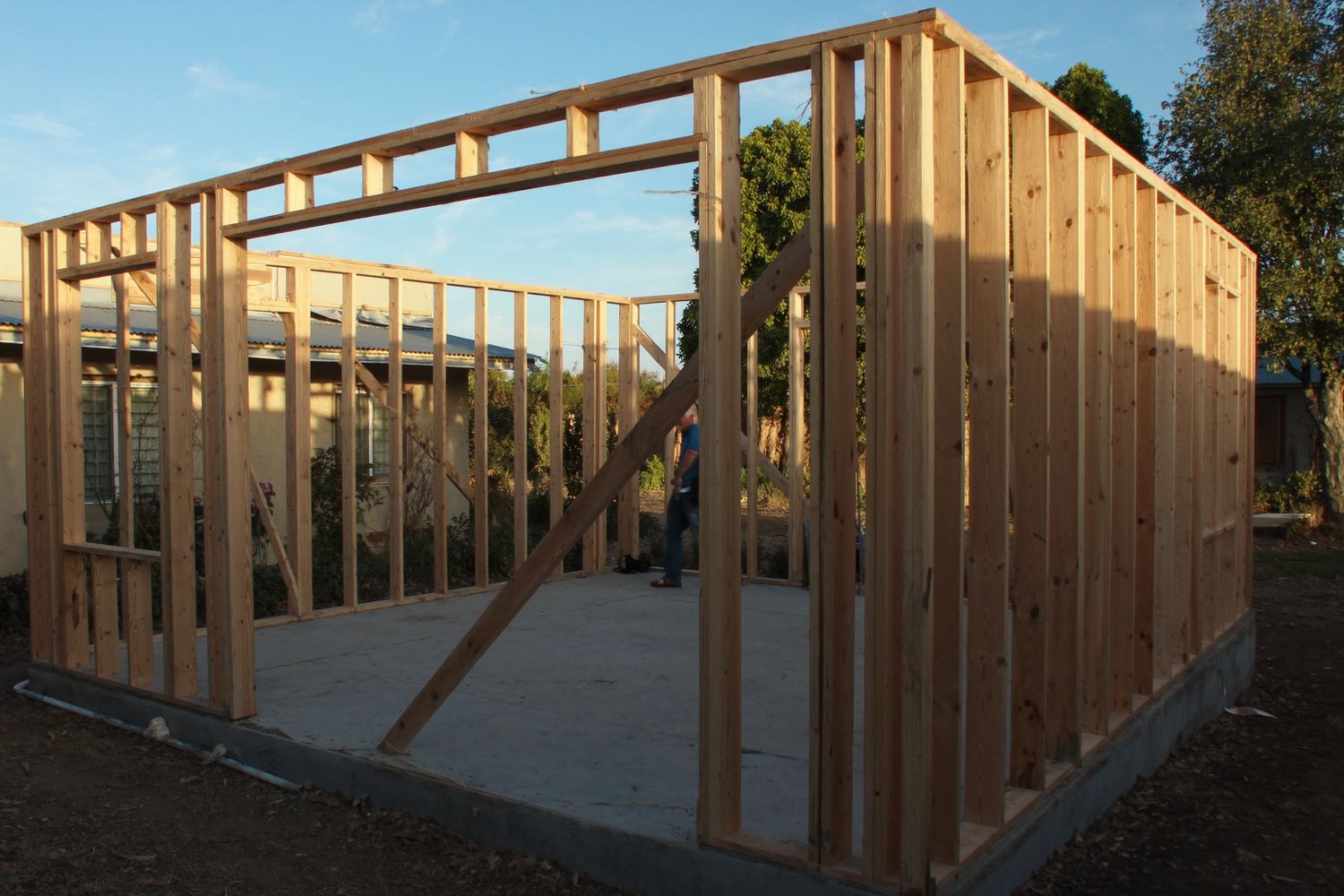
A common Adelaide approach keeps the original front rooms largely intact and replaces the rear lean-to with a contemporary extension: an open-plan kitchen, living and dining area that leads out to the garden. The front keeps its character on the street, while the new work is designed for light and modern living.
The front rooms suit bedrooms, a study or a sitting room, while the rear lean-to is often the weakest part of the house. A home extension designed to be distinct from the old house, often with a lower roof and a clear junction, lets the original keep its own identity. In a Historic Area or Character Area Overlay, the addition's visibility from the street, its scale and its height can affect what is acceptable.
Joining old to new
- Floor levels: an original timber floor on stumps often doesn't line up with a new slab, so plan steps or ramps early
- Movement: new footings and old masonry move differently on reactive clay, so engineers often detail an articulation joint
- Water: box gutters and flashings where old and new roofs meet need careful detailing
- Damp: new work must not bridge the damp-proof course or trap moisture against old stone
How do kitchens and bathrooms work in a character home?
Quick answer
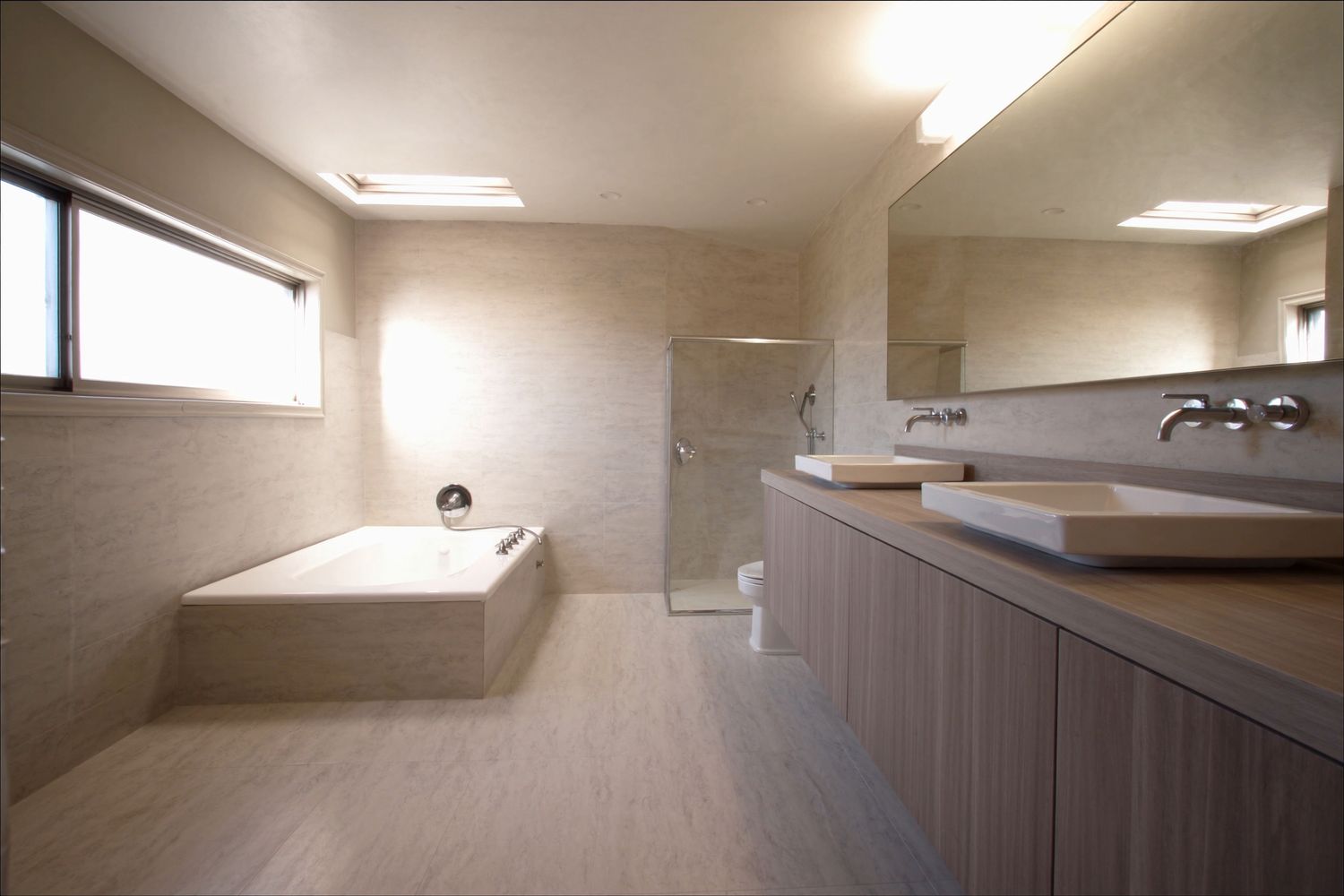
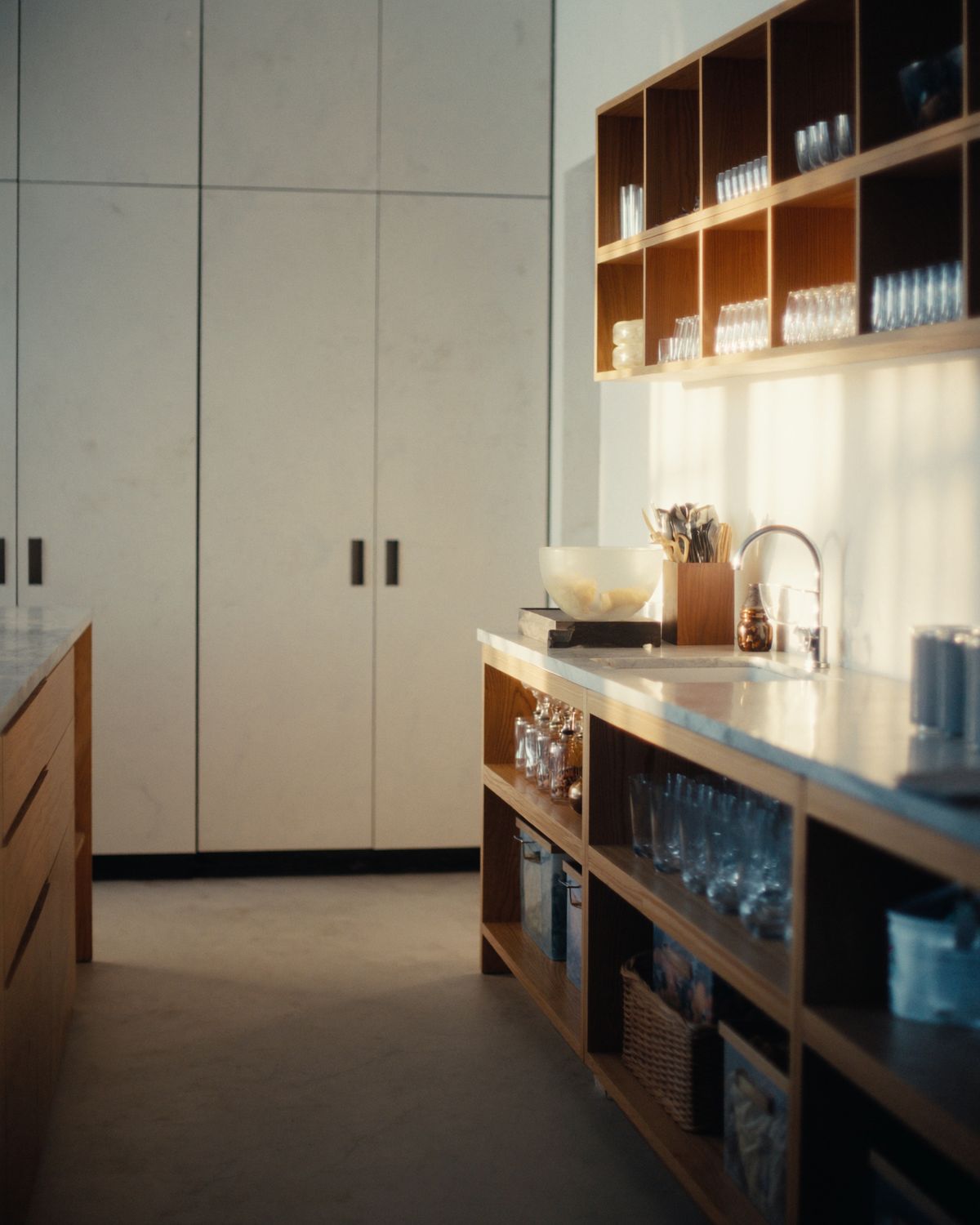
They can sit comfortably in a character home when the design respects the room. High ceilings, cornices, sash windows and timber floors affect cabinet heights, ventilation routes, waterproofing and services, so resolve those details on paper before joinery and tiles are ordered, not on site.
Internal, non-structural bathroom and kitchen renovations often don't need development approval, but structural changes can — check before you start.
- Finish tall cabinetry with a bulkhead or a deliberate gap rather than cutting into a cornice
- Duct rangehoods and exhaust fans to outside, avoiding ceiling roses and the street facade
- Keep sash windows working and plan splashbacks and benchtops around them
- Choose tiles and tapware that suit the era without copying it
Wet areas over timber floors
Bathrooms over suspended timber floors need a stable substrate before tiling. Waterproofing in bathrooms, laundries and other wet areas must comply with the National Construction Code (NCC) as it applies in South Australia. Australian Standard AS 3740, Waterproofing of domestic wet areas, is the standard most commonly used to meet those requirements.
How do you plan for renovating a character home in Adelaide?
Quick answer
Start with information rather than drawings. Check overlays and listings, have the house inspected for damp, structure, older materials and services, then brief a designer and engineer. Once any approvals are in place, choose a licensed builder experienced with old masonry, and confirm insurance and contract details before work begins.
- Check the zone, overlays and any heritage listing on SAPPA or PlanSA
- Get specialist advice on damp, structure, termites, asbestos and wiring
- Brief an architect or building designer, and an engineer
- Obtain development approval where it is needed
- Have builders price the same drawings, and keep a contingency for hidden problems
Choosing a builder
Look for a builder who has worked on old masonry and can explain how they will protect original features, manage damp and join new work to old. You can check any South Australian builder's licence, including ours, on the Consumer and Business Services (CBS) 'Find a licence holder' register.
In South Australia, a licensed builder must take out building indemnity insurance before starting domestic building work that needs development approval and is valued at $20,000 or more (the threshold rose from $12,000 on 10 November 2025). It protects you if the builder dies, disappears or becomes insolvent and can't finish the work or fix defects. Ask for a copy of the certificate of insurance before work starts, and check current requirements with Consumer and Business Services (CBS).
Domestic building work contracts in South Australia carry statutory warranties under section 32 of the Building Work Contractors Act 1995 — that the work will be done with proper workmanship, using good and proper materials, in line with the law, and with reasonable diligence.
Bright Building & Renovations carries out home renovations and extensions across metropolitan Adelaide, the Adelaide Hills and the Fleurieu Peninsula through to Victor Harbor. If you're weighing up a villa renovation in Adelaide or an extension to a bluestone cottage, you can talk directly with a director about your house and the order of work that makes sense, and ask us the same questions you would ask any builder.
Frequently asked questions
Should salt damp be fixed before or during a renovation?
Diagnose the cause before the renovation is designed, then build the treatment into the work. Putting new plaster, paint or floors over an untreated problem usually means the damage comes back.
A renovation is often a practical time to deal with it, because walls are already being opened up. Schedule the damp work before the new finishes go on.
Can I render or paint over the original stone or brick?
It is generally not a good idea. Hard cement renders and impermeable paints can trap moisture and salts in walls built to breathe, making salt damp worse. Where mortar has eroded, repointing with a compatible lime-based mortar is usually the better approach.
In a Historic Area or Character Area Overlay, changes visible from the street may also need planning consent.
Will a Character Area Overlay stop me extending my villa?
In many cases an overlay shapes an extension rather than ruling it out. The policies focus mainly on the street, so rear additions that keep the original front intact are common.
A rear addition can still need planning consent, particularly because of its scale or height, and so can demolition. Check the overlays on SAPPA or PlanSA and test the idea with your designer early.
What should I look for when buying a character home to renovate?
Look past the period features to crumbling plaster low on the walls, cracks around openings, sloping floors, a tired roof, fibro additions and old wiring. A pre-purchase building inspection is worth arranging.
Check SAPPA for overlays and heritage listing, and consider whether the block and its orientation suit a rear extension.
Sources
Official sources for the rules mentioned in this guide. Requirements change, so check them for the current position.
- SA Property and Planning Atlas (SAPPA)sappa.plan.sa.gov.au (opens in a new tab)
- PlanSAplan.sa.gov.au (opens in a new tab)
- SafeWork SAsafework.sa.gov.au (opens in a new tab)
- Consumer and Business Services: find a licence holdercbs.sa.gov.au (opens in a new tab)
- SAFA: building indemnity insurancesafa.sa.gov.au (opens in a new tab)